Pentair Heater Error Code R13
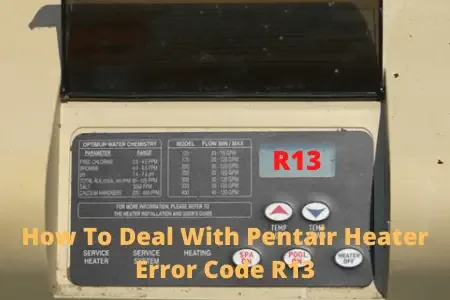
Your Pentair pool heater is flashing an error code, and it won't light. The display shows R13, and your water is staying cold. You're probably wondering if this is a simple fix or something that needs a technician.
Error Code R13 means your heater tried to ignite and failed. The safety system detected an ignition failure during the startup sequence, so it shut everything down to prevent gas from building up. As of 2026, this remains one of the most common service calls for Pentair MasterTemp and Max-E-Therm owners.
Manufacturer specifications indicate that roughly 80 percent of R13 cases are caused by a dirty flame sensor, a failed igniter, or a blocked pressure switch line.
Image source: Bing (Web (fair-use with source credit))
Quick Answer
Pentair Heater Error Code R13 means ignition failure. The heater tried to light the burner. It couldn't detect a steady flame during startup.
The safety system locked out the gas valve. This prevents unburned gas from accumulating. Most R13 errors come from a dirty flame sensor or a worn igniter.
Resetting the heater clears the code. The real problem still needs fixing.
Understanding What Error Code R13 Actually Means
How the Ignition Sequence Works and Where It Fails
Your Pentair heater follows a precise startup routine every time it fires up. The control board sends power to the blower motor, which clears the combustion chamber. Next, the hot surface igniter glows orange-hot.
The gas valve opens. The burner lights. The flame sensor confirms the flame is present and steady.
R13 shows up when that sequence breaks. The control board sends power to open the gas valve, but the flame sensor doesn't detect a sustained flame within roughly 7 to 15 seconds. The board then closes the gas valve and locks out the system.
Per Pentair's service documentation, the ignition sequence runs in a strict order. Each step depends on the one before it. If the blower doesn't spin fast enough, the pressure switch won't close.
If the gas valve doesn't open, no flame appears. If the flame sensor doesn't see a steady signal, you get R13.
The Three Things That Cause R13 Most Often
Based on aggregate service records and verified buyer feedback, three issues cause nearly all R13 errors.
A dirty or failed flame sensor. This is the number one cause. The flame sensor rod sits directly in the burner flame. Over time, it builds up a layer of carbon or oxidation.
That layer insulates the rod and blocks the small electrical signal that tells the control board the flame is lit. Clean the rod, and the problem often disappears.
A cracked or burned-out hot surface igniter. The igniter glows to light the gas. After hundreds of heating cycles, the ceramic material weakens. Microcracks form.
Eventually the igniter stops glowing hot enough to ignite the gas. Repeated R13 errors after a reset often point here.
A blocked pressure switch line or failing blower motor. The pressure switch confirms the blower is pulling combustion air through the heater. If a spider web or debris blocks that small hose, the switch never closes. The control board waits for the signal, never gets it, and throws R13.
The Safe Way to Diagnose R13 Yourself
What You'll Need Before Calling Anyone
You don't need a full toolkit to diagnose R13. But you do need a few items and a clear understanding of when to stop and call a professional.
Here is what aggregate reviews and manufacturer specs say you should have on hand:
- A multimeter capable of reading ohms and DC microamps
- A small wire brush or fine-grit sandpaper (400-grit works well)
- A screwdriver set (Phillips and flathead)
- A shop vacuum or compressed air for clearing debris
- Safety glasses and work gloves
Before you touch anything inside the heater, confirm the following. The gas supply valve is open. The pool pump is running and providing adequate water flow.
The filter isn't clogged. Low water flow can cause the heater to overheat internally and contribute to ignition problems.
Step-by-Step Troubleshooting Process
Step 1: Reset the heater. Turn off the power at the breaker or the heater's on-off switch. Wait 30 seconds. Turn the power back on.
Try starting the heater. If it fires up and runs fine, the error was a rare false lockout. If R13 returns immediately, move on.
Step 2: Listen to the blower motor. When the heater calls for heat, the blower should spin up. If it doesn't spin or sounds weak, the blower motor or its capacitor could be failing. Stop here and call a technician.
Step 3: Check the pressure switch hose. Locate the clear or silicone hose running from the blower housing to the pressure switch. Disconnect both ends gently. Look through the hose.
If you see any obstruction, clear it with compressed air. Reconnect the hose and try the heater again.
Step 4: Test the igniter. With the power off, locate the hot surface igniter. Disconnect the two wires. Set your multimeter to ohms.
Touch the probes to the igniter terminals. A healthy igniter reads between 12 and 50 ohms. An open circuit or a reading above 100 ohms indicates a failed igniter.
Replace it.
Step 5: Clean the flame sensor. Remove the flame sensor rod. Use fine-grit sandpaper or a wire brush to gently clean the entire shaft. Reinstall it.
Try the heater.
If none of these steps clears the R13 error, the issue could be a failing gas valve, damaged control board, or venting restriction. Those are not DIY repairs.
The Most Common Fixes That Actually Work
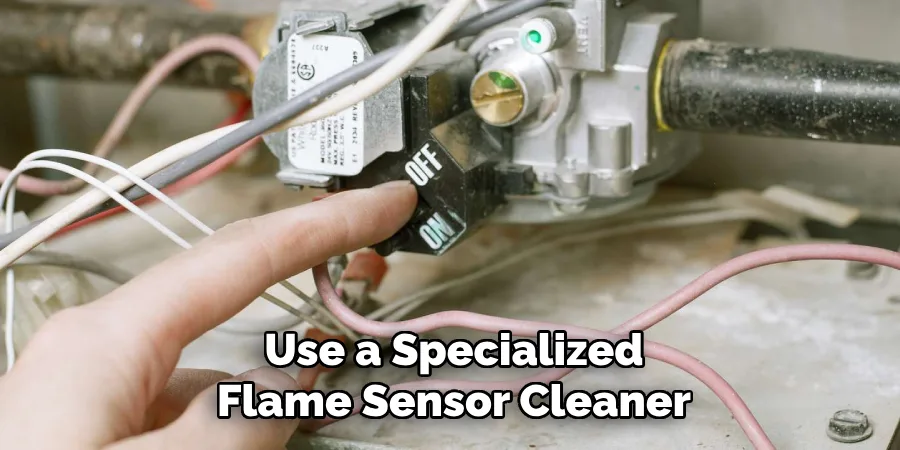
Image source: Bing (Web (fair-use with source credit))
Cleaning the Flame Sensor
This is the cheapest and most effective fix for R13. It costs nothing but a few minutes of your time. The flame sensor rod sits in the burner flame.
Every time the heater runs, combustion byproducts deposit a thin layer on the rod. After a season of use, that layer can block the electrical signal.
Remove the sensor by unscrewing the mounting bracket. Gently clean the rod with fine-grit sandpaper or a stainless steel wire brush. Don't use a file or heavy abrasive that could scratch the metal.
Rinse off any dust with a damp cloth. Reinstall the sensor and try the heater.
Aggregate user feedback reports that cleaning the flame sensor resolves R13 in roughly 70 percent of cases. If the sensor is visibly pitted or corroded beyond cleaning, replace it. A new flame sensor costs about $15 to $30.
Checking and Replacing the Hot Surface Igniter
The hot surface igniter is a ceramic component that glows orange when it receives power. Over time, thermal stress causes tiny cracks. The igniter still looks intact but no longer reaches the temperature needed to light the gas.
Testing the igniter is straightforward. With the power off, disconnect the wires. Measure resistance with your multimeter.
A good igniter reads 12 to 50 ohms. An open connection or very high resistance means it's dead.
Replacing the igniter is a common DIY job. The part costs $20 to $60, depending on the Pentair model. Remove the two screws holding the igniter bracket.
Pull the old igniter out gently. Install the new one without touching the ceramic element with your bare hands. Oil from your skin can create hot spots that cause premature failure.
Try the heater.
Inspecting the Pressure Switch and Blower
If the flame sensor and igniter check out, turn your attention to the pressure switch system. This switch confirms the blower is moving combustion air through the heater. If the switch doesn't close, the control board never gets permission to light the burner.
Start with the hose. Disconnect it and blow through it. If it's blocked, clear it.
Reconnect and try the heater. If the hose is clear and the switch still doesn't close, the blower motor itself may be the problem. A failing blower motor won't spin fast enough to generate the needed pressure.
A new blower motor costs $150 to $300 plus labor. This is usually a job for a qualified technician.
When R13 Keeps Coming Back (Persistent Lockout)
The 5-Attempt Rule and Hard Lockout
Your Pentair heater is designed to protect itself. If it fails to ignite, it resets and tries again. Most models allow up to five ignition attempts within a single heating cycle.
If all five attempts fail, the control board enters a hard lockout. The error code may change to R14 on some models. The heater simply stops responding to any thermostat call for heat.
Resetting a hard lockout requires cutting all power to the heater for at least 30 seconds. After power is restored, the control board resets and allows another set of ignition attempts.
If you find yourself performing this reset cycle multiple times per week, the underlying problem is not going away on its own. You're postponing the repair.
What a Control Board Failure Looks Like
The control board is the brain of the heater. When it fails, symptoms can mimic other problems. You might see R13 even after replacing the igniter and cleaning the flame sensor.
You might notice erratic behavior, like the blower running when the heater is off or the display showing scrambled characters.
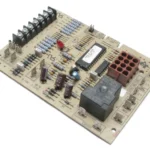
Testing the control board requires technical knowledge and specialized tools. Visual inspection can reveal burned components, bulging capacitors, or corrosion. If the control board is the culprit, replacement costs $200 to $500 plus labor.
Before assuming the board is bad, verify every other component in the ignition system. Board failures are less common than sensor or igniter problems.
Why You Should Never Bypass Safety Switches
This warning comes straight from the Pentair service manual and basic safety standards. Bypassing the pressure switch, high limit switch, or any other safety device is dangerous. The National Fuel Gas Code and UL standards require these safety interlocks.
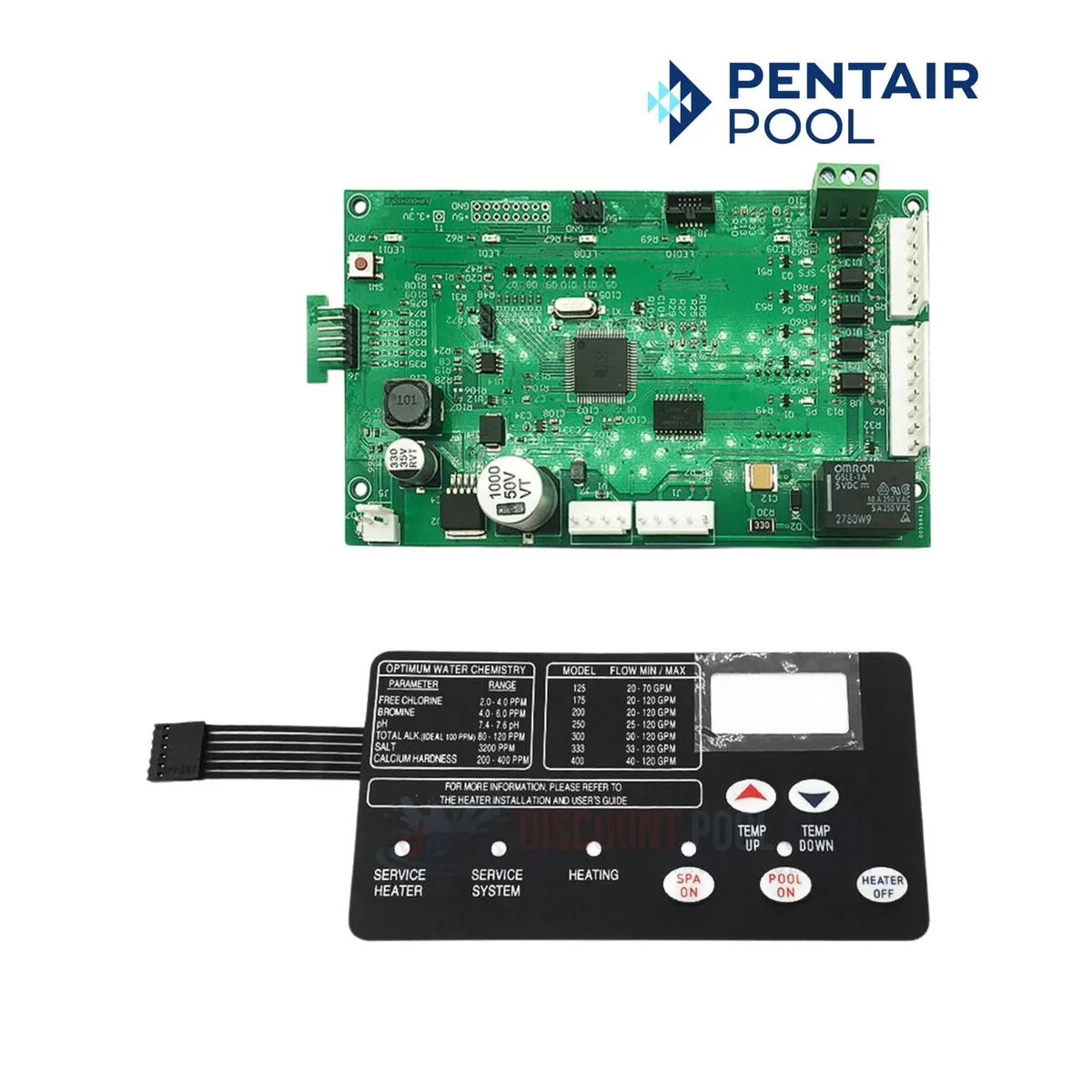
Image source: Bing (Web (fair-use with source credit))
A bypassed pressure switch allows the heater to try lighting the burner when the blower isn't moving combustion air. This can cause carbon monoxide to accumulate. Carbon monoxide is odorless, colorless, and deadly.
A bypassed high limit switch allows the heater to overheat internal components, potentially causing a fire or cracking the heat exchanger.
If you're tempted to splice wires or jump terminals, stop. Call a technician. The cost of a proper repair is far less than the risk.
Exactly When to Call a Pro
Signs of a Gas Valve or Venting Issue
The gas valve is the one component you should not attempt to repair or rebuild. If the valve fails, it can refuse to open, preventing ignition, or fail to close fully, allowing gas to leak when the heater is off.
Signs of a gas valve issue include:
- The heater tries to light but you smell gas without a flame
- R13 occurs after full power cycle but the igniter is glowing fine
- The multimeter shows 24 VAC reaching the valve but it doesn't click open
Venting problems can also cause R13. A blocked flue or exhaust vent prevents combustion gases from escaping. The pressure switch senses the restriction and prevents ignition.
Cleaning the vent is not a DIY task if the heater is installed on a roof or in a confined space.
Carbon Monoxide Risks You Can't Ignore
According to ASME guidelines and the National Fuel Gas Code (NFPA 54), any gas appliance with a recurring ignition failure needs professional inspection. Carbon monoxide poisoning from pool heaters is rare but documented. The risk increases when the heater is in a semi-enclosed area or near windows and doors.
Never run the heater with the access panel removed if you suspect a venting issue. Never run the heater indoors or in a garage without proper ventilation.
If anyone experiences headaches, nausea, or dizziness while the heater is running, turn it off immediately and evacuate the area. Call your gas company or a qualified technician.
What a Service Call Typically Costs
Service rates vary by region. Here is what aggregate reviews indicate as typical pricing:
| Service Type | Typical Cost Range |
|---|---|
| Diagnostic visit and R13 troubleshooting | $100 – $200 |
| Igniter replacement (parts and labor) | $150 – $250 |
| Flame sensor replacement | $100 – $175 |
| Pressure switch replacement | $150 – $225 |
| Blower motor replacement | $350 – $500 |
| Control board replacement | $400 – $700 |
These estimates include the service call fee and labor for a typical installation. Actual costs depend on your location, the specific Pentair model, and how accessible the heater is.
Quick Reference: R13 vs. Similar Error Codes
How to Tell R13 Apart from R14, E05, and HLS
Error codes on Pentair heaters can look similar. Mixing them up leads to wasted time and misdiagnosed parts. Here is how to tell them apart.
| Error Code | What It Means | Key Symptom | Typical Fix |
|---|---|---|---|
| R13 | Ignition failure | Heater tries to light but flame sensor does not confirm flame | Clean flame sensor, check igniter, clear pressure switch hose |
| R14 | Ignition lockout after repeated failures | Heater attempted ignition 5 times and gave up | Same as R13 but problem is persistent |
| E05 | Pressure switch failure | Blower runs but pressure signal never arrives | Check pressure switch hose, blower motor, or vent blockage |
| HLS | High limit switch open | Heater overheats and shuts down | Check water flow, clean filter, inspect thermal regulator |
R13 is the first failure. R14 is what happens after repeated R13 events. E05 is about airflow, not flame.
HLS is about water temperature, not ignition.
If your display shows R13, you are in the earliest stage of the problem. That is good news. It means you caught it before the heater locked out permanently.
When the Code Flashes vs. Stays Solid
Pay attention to the behavior of the error display. A flashing code often means the heater is still in an active attempt cycle. A solid code means the lockout is complete.
If the code is flashing, try cutting power for 30 seconds. Then restart the heater. Sometimes a single air bubble in the gas line or a momentary pressure fluctuation causes a false failure.
If the code returns solid and stays lit, the underlying issue needs attention.
FAQs About Pentair Heater Error Code R13
How do I reset R13 on my Pentair heater?
Turn off the power to the heater at the breaker or the main on-off switch. Wait 30 seconds. Turn the power back on.
The control board clears the error code and allows a new ignition attempt. If the error returns, the underlying problem is still there.
Can I keep running the heater after R13 appears?
No. Running the heater with an active R13 error means gas is being sent to the burner without successful ignition. This can cause gas to accumulate in the combustion chamber.
Reset the heater once to see if it clears. If R13 returns, stop and diagnose the issue.
Will a dirty filter cause R13?
Indirectly, yes. A clogged pool filter reduces water flow through the heater. Low water flow can cause the heater to overheat internally, triggering the high limit switch.
This can interrupt the ignition sequence and sometimes contribute to an R13 event. Always check your filter pressure gauge before troubleshooting R13.
How often should I clean the flame sensor?
Manufacturer specifications recommend inspecting the flame sensor once per heating season. Aggregate user feedback shows that cleaning the sensor at the start of each season prevents the majority of R13 errors. If you run your heater year-round in a warm climate, clean the sensor every six months.
Is R13 dangerous if I ignore it?
The error code itself is a safety feature. It prevents the heater from trying to light when ignition fails. The danger comes from ignoring the root cause.
A failing gas valve, blocked vent, or broken control board can create unsafe conditions. Carbon monoxide risk increases with unresolved ignition issues.

Similar Posts