What Toothbrushes Are Made In The Usa
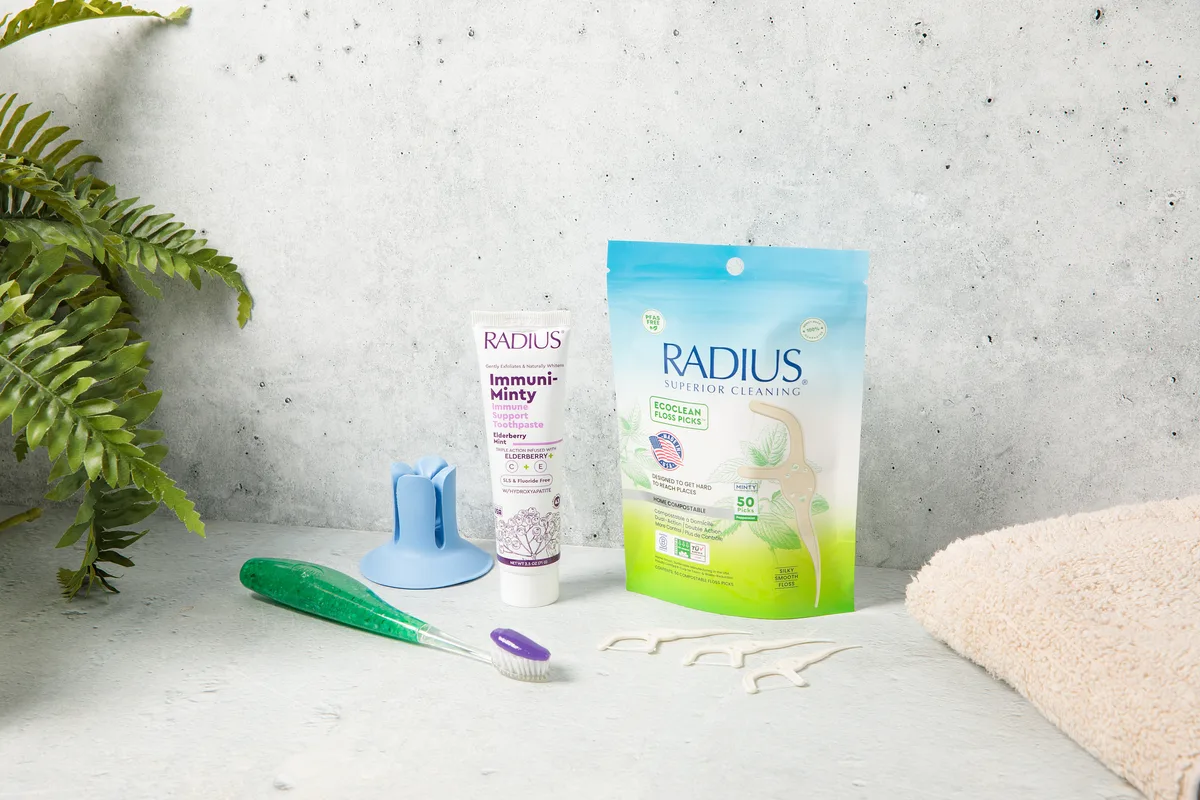
If you've ever wondered what toothbrushes are made in the USA, the honest answer is short: very few. As of 2026, only a small handful of toothbrush brands actually manufacture their products on American soil, and most of them are manual, not electric.
According to manufacturer records and FTC guidelines, the two major brands that consistently produce toothbrushes in the United States are Radius and Preserve. That number hasn't grown much in the last decade. Most other brands you see on store shelves either assemble their brushes here with imported parts or manufacture them entirely overseas.
Quick Answer
Two major brands make toothbrushes in the USA. Radius manufactures manual and electric toothbrushes in Kutztown, Pennsylvania. Preserve makes manual toothbrushes from recycled plastic in Massachusetts.
Both companies source their handles domestically. Their bristles, however, are imported, typically from China or other overseas suppliers. No other mainstream toothbrush brand currently produces fully in the United States.
The Short Answer: Which Toothbrush Brands Are Actually Made in the USA
Radius is the most well-known American-made toothbrush brand. The company operates a facility in Kutztown, Pennsylvania, where it produces both manual and electric toothbrushes. Their handles are made in-house using plant-based bioplastics and sustainably harvested beechwood.
Bristles, however, are not made in the USA. They source nylon bristles from overseas because domestic bristle production has essentially disappeared.
Preserve is the other major player. Based in Massachusetts, Preserve makes toothbrushes from recycled #5 polypropylene plastic. The handles are manufactured domestically.
Like Radius, Preserve's bristles come from outside the United States. Their brush is also 100 percent recyclable. You can mail it back to them through the Gimme 5 program.
A few smaller brands claim "Made in USA" on their packaging. Our research found that most of them assemble brushes here from imported components. Under FTC rules, assembly is not the same as manufacturing.
If you want a brush that's actually fabricated in an American factory, Radius and Preserve are your only reliable options.
What "Made in USA" Really Means: FTC Rules Every Buyer Should Know
The Federal Trade Commission enforces a strict standard for "Made in USA" labels. According to the FTC's enforcement policy, a product must be "all or virtually all" made in the United States. That means the product's significant parts and processing must be of U.S. origin.
You can read the full guidelines on the FTC Made in USA page.
Here's the tricky part. "All or virtually all" leaves some room. If a toothbrush's handle is made in the USA but its bristles come from overseas, can it still earn the label?
According to FTC guidance, bristles are a significant component of a toothbrush. Many manufacturers use the "Assembled in USA" label instead, which has a lower threshold. Some brands test the limits of the rule by using "Made in USA from imported parts" phrasing.
You have to read carefully.
For toothbrushes specifically, the FTC has not issued a formal ruling on bristles. But the general standard is clear. If a key functional part is imported, the product likely shouldn't carry an unqualified "Made in USA" claim.
Radius and Preserve both disclose their bristle sourcing honestly. They don't hide it. That transparency is actually a good sign.
The Main Contenders: Radius, Preserve, and the "Almost" American-Made Brands
Let's look at each brand more closely.
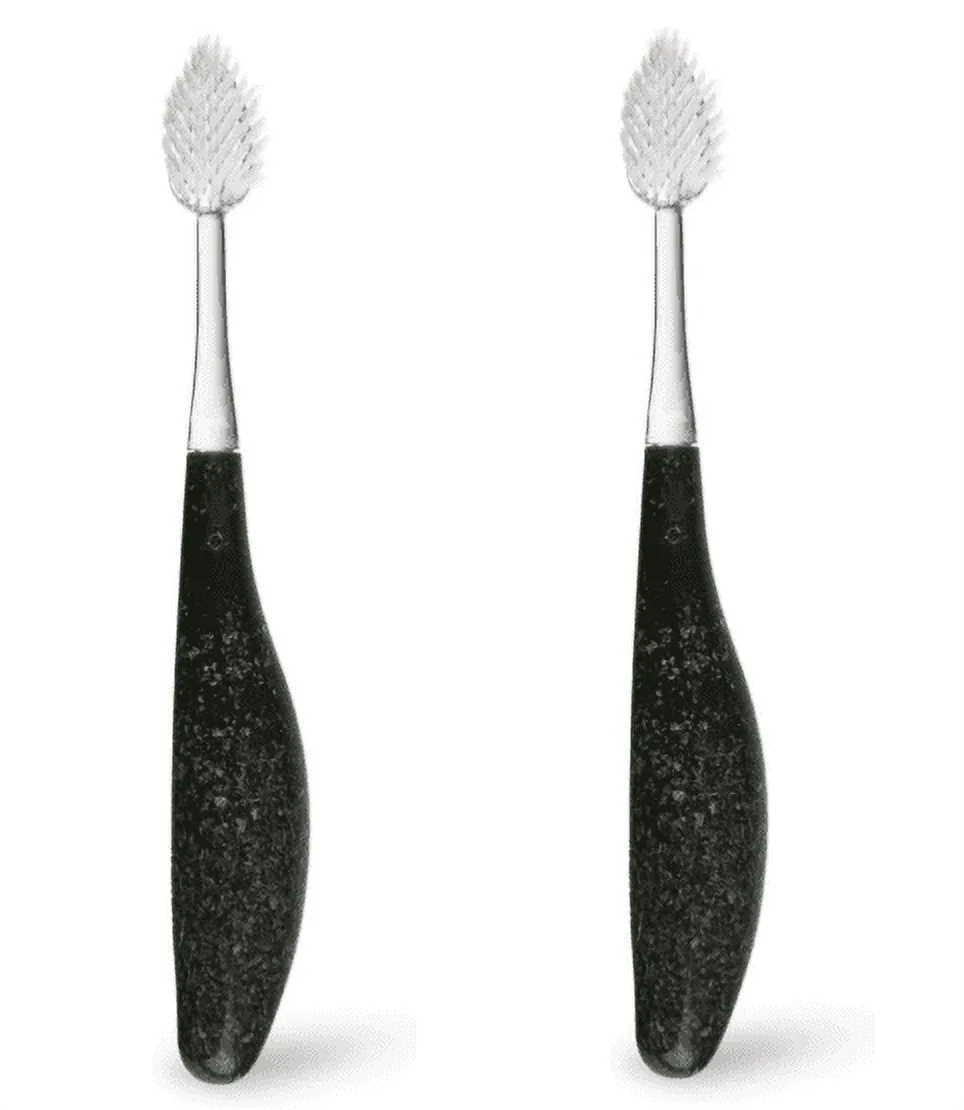
Radius offers the widest range of USA-made options. Their manual brushes include the Source (bioplastic handle), the Pure (beechwood handle), and the Adult (replaceable head model). They also make a rechargeable electric toothbrush called the Radius Electric.
All are produced in Pennsylvania. Prices range from about $6 to $15 for manual brushes and around $40 for the electric model. Replacement heads run $10 to $15.
Preserve focuses on a single manual toothbrush design made from recycled plastic. It's available in multiple colors and in soft, medium, or hard bristles. The handle is made in Massachusetts.
A single brush costs about $5 to $8. They also offer a subscription service.
Several other brands are sometimes mistaken for USA-made. Boka, Quip, and Burst are American companies, but they manufacture their toothbrushes in China. Their packaging often emphasizes their U.S. roots, but the actual production happens overseas.
Nada Bamboo is a Canadian company. Their brushes are made in Canada, not the USA. If "Made in USA" matters to you, check the fine print.
The country of origin should be clearly listed on the packaging or the company's website.
Side-by-Side Comparison: Materials, Pricing, and Manufacturing Details
The table below summarizes the key differences between the two USA-made brands and a typical imported alternative.
| Feature | Radius | Preserve | Typical Import Brand |
|---|---|---|---|
| Handle origin | Made in Pennsylvania | Made in Massachusetts | Made in China |
| Handle material | Bioplastic or beechwood | Recycled #5 polypropylene | Virgin plastic (typically) |
| Bristle origin | Imported (nylon) | Imported (nylon) | Imported (nylon) |
| Electric option | Yes (rechargeable) | No | Many options |
| Replaceable heads | Yes (on some models) | No | Yes (on many) |
| Price (manual) | $6 — $12 | $5 — $8 | $2 — $5 |
| Price (electric) | ~$40 | N/A | $20 — $100 |
| Recycling program | No | Yes (Gimme 5) | Varies |
| "Made in USA" claim | Yes (handle) | Yes (handle) | No |
A few things stand out. First, you're paying a premium for domestic manufacturing. Expect to pay roughly $3 to $10 more per brush.
Second, both USA-made brands use recycled or renewable materials, while many imports use virgin plastic. Third, neither brand produces its bristles in the United States. The domestic nylon bristle industry has shrunk dramatically over the past few decades.
If you want 100 percent American content in a toothbrush, you won't find it.
Pricing data comes from the manufacturers' official websites and aggregate retailer listings as of early 2026.
Best Fit by Use Case: Who Should Choose Which Toothbrush
If you prioritize supporting domestic manufacturing, buy Radius. Their facility in Pennsylvania employs American workers, and their product line is broader. If you care about recycled materials and a closed-loop recycling program, Preserve is the better pick.
The Gimme 5 program lets you send back used brushes for recycling.
If you want an electric toothbrush, Radius is your only USA-made option. No other domestic manufacturer makes a rechargeable electric model. If you want replaceable heads to reduce plastic waste, choose the Radius Adult model.
If you prefer a simple, disposable manual brush at the lowest price, Preserve is more affordable.
If your budget is tight, consider whether "Made in USA" matters enough to justify paying double the price of an imported brush. For many buyers, it does. For others, a well-made import from a transparent brand is an acceptable compromise.
The choice depends entirely on your personal priorities.
Common Labeling Traps and Mistakes to Avoid
The biggest trap is assuming "American brand" means "made in America." Companies like Quip, Boka, and Burst are headquartered in the United States. Their toothbrushes are manufactured in China. The packaging often highlights the American design or headquarters.
It rarely highlights the factory location.
Another common trick is "Assembled in USA." That label means the parts come from other countries and get put together here. Under FTC rules, assembly alone doesn't qualify as "Made in USA." A toothbrush assembled in the US from imported handles and imported bristles does not meet the "all or virtually all" standard.
Watch out for vague phrasing like "Designed in California" or "Proudly American Company." Neither statement tells you where the product was actually made. If you see those phrases, flip the package over. Look for the country of origin statement.
It's usually in small print near the barcode.
Also beware of bamboo brushes labeled "USA." Many bamboo toothbrush brands claim American roots. But most bamboo handles are manufactured in China, not the United States. Bamboo processing facilities are rare in the US.
If a bamboo brush doesn't clearly state a US factory location, assume it's imported.
Finally, check replacement heads. A brush handle might be made in the USA, but the replacement heads might be imported. If you're buying a Radius model with replaceable heads, confirm the heads are also made in Pennsylvania.
Our research indicates they are, but that's not always true for every brand.
Frequently Asked Questions
Does any company make a 100 percent USA toothbrush including bristles?
No. As of 2026, no major toothbrush manufacturer produces bristles in the United States. The domestic nylon bristle industry has largely disappeared.
Both Radius and Preserve import their bristles from overseas suppliers. A 100 percent USA toothbrush currently does not exist on the market.
Are any electric toothbrushes made in the USA?
Yes, Radius makes an electric rechargeable toothbrush at its Pennsylvania facility. It is the only electric toothbrush currently manufactured in the United States. Oral-B and Philips Sonicare are designed in the US or Europe but mass produced in China and other countries.
How can I verify a toothbrush is really made in the USA?
Check the product packaging for a clear "Made in USA" or "Assembled in USA" label. Visit the manufacturer's website and look for a factory location or manufacturing page. Contact customer service directly if you are unsure.
Avoid brands that rely on vague phrases like "Designed in America" without a specific factory address.
Is Preserve really made in the USA?
Yes. Preserve toothbrushes are manufactured in Massachusetts from recycled #5 plastic. The company discloses its manufacturing location on its website and on product packaging.
The bristles are imported, but the handle is made domestically. They are a legitimate USA-made option.
Why are there so few American-made toothbrushes?
Globalization moved most plastic manufacturing to Asia over the past few decades. Labor costs are lower overseas, and the supply chain for bristles and handles is concentrated in China. Domestic production is more expensive.
That's why USA-made toothbrushes cost two to three times more than imported ones.
Final Verdict: Should You Pay a Premium for a USA-Made Toothbrush?
It depends on what you value most. If supporting domestic manufacturing and reducing overseas shipping emissions matters to you, the extra cost is worth it. Radius and Preserve both make quality brushes that perform as well as any import.
The build quality on the handles is solid. Customer reviews for both brands are consistently positive.
If your budget is tight, you are not missing out on oral health benefits. An imported toothbrush cleans your teeth just as effectively as a USA-made one. The American Dental Association does not distinguish between domestic and imported toothbrushes in its recommendations.
The bristles are the same nylon material either way.
What you are paying for is the handle origin, the brand transparency, and the labor standard. USA-made brushes also tend to use recycled or renewable materials, which is a bonus for environmentally conscious buyers. Just know that the bristles are still imported.
If you decide to buy American, go with Radius for the widest selection including an electric option. Choose Preserve if you want recycled plastic and a take-back recycling program. Avoid brands that mislead with vague labeling.
And remember: replace your toothbrush every three months. That matters more than where it was made.

Similar Posts