When It Rains My House Smells Like Pee
When It Rains My House Smells Like Pee. If that phrase sums up your morning, you are dealing with a real and surprisingly common problem. The smell is real, not in your head.
The fact that it only shows up when it rains is the single biggest clue to what is wrong.
Here is the hard part. That clue points to several possible causes. Each one needs a different fix.
According to EPA indoor air quality guidelines, sewer gas contains hydrogen sulfide. It can trigger headaches and nausea at just 5 parts per million. Getting this wrong means wasting money or living with a health risk.
Let us walk through the decision tree together.
Image source: Bing (Web (fair-use with source credit))
Quick Answer
Rain activates dry urine crystals or pushes sewer gas into your home. The most common cause is a dry P-trap in an unused drain. The second is a blocked plumbing vent on your roof.
Two less common causes are old animal urine in the attic and mold growth. Start by checking every drain and the roof vent.
Why Rain Triggers That Urine Smell
Rain creates two distinct mechanisms that wake up odors. First, it raises humidity levels. Dry urine crystals from old animal accidents are hygroscopic.
They absorb that moisture from the air and re-release the ammonia smell. Your house dries out in summer, then a rainstorm reactivates those crystals.
Second, rain changes air pressure around your house. Barometric pressure drops. Wind pushes against the side of your home.
That combination creates negative pressure inside your house relative to the outside. Sewer gas gets pulled up through dry P-traps or cracks in your plumbing. It should vent safely out the roof but instead enters your living space.
The timing matters. If the smell starts during the rain and fades when it stops, pressure and ventilation issues are likely. If the smell lingers for days after the rain, you are probably dealing with moisture-activated urine or mold.
Is It Sewer Gas or Something Else? (Smell Type Diagnosis)
Your nose is your best diagnostic tool here. Different causes produce different odors. Train yourself to identify the specific scent before you start tearing things apart.
| Smell Profile | Most Likely Cause | Key Clue |
|---|---|---|
| Rotten eggs with a sharp chemical edge | Sewer gas from plumbing | Strongest near drains or basement |
| Strong ammonia, like fresh cat urine | Dried animal urine (raccoon, rat, cat) | Strongest in attic or crawlspace |
| Musty, earthy, slightly sweet | Mold or mildew | Worsens with humidity, no drain nearby |
| Sweet rotting meat (later turns foul) | Dead animal in wall or attic | Starts mild, gets worse over 1-3 weeks |
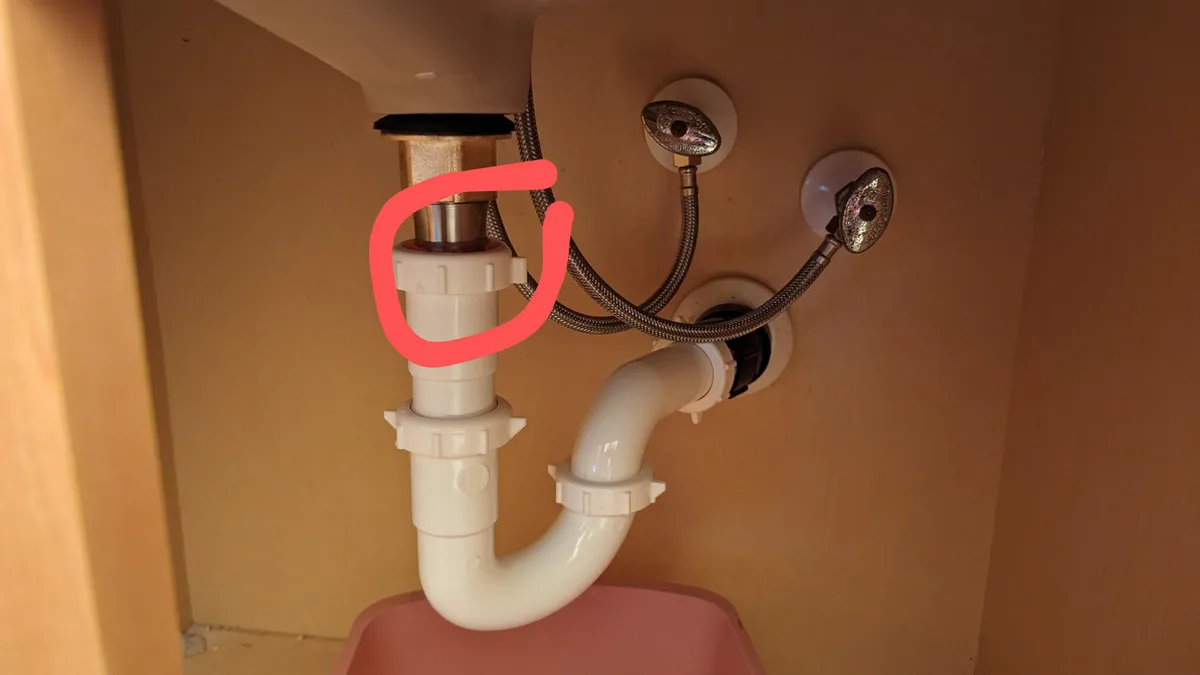
Image source: Bing (Web (fair-use with source credit))
Sewer gas is the most common culprit. It smells like a mix of rotten eggs and ammonia. Plumbers call it sulfurous.
It tends to be strongest in the basement, laundry room, or guest bathroom. Vacant homes and second properties are prime candidates because nobody flushes unused toilets or runs basement sinks.
Animal urine, especially from raccoons, smells like straight ammonia. Raccoon urine has a higher pH than cat urine. When it dries and rehydrates with rain moisture, the smell intensifies dramatically.
If you have a crawlspace or attic, start there.
Mold can mimic the ammonia smell in some cases. The fungus Aspergillus produces a compound that smells like cat pee when it colonizes damp wood. This is less common but worth knowing, especially if you have a history of water damage.
Follow the Smell: A Step-by-Step Diagnostic Workflow
This is your action plan. Run through these steps in order. Stop when you find the source.
Step 1: Locate the epicenter. Put your nose to work. Walk through every room at the worst hour, mid-rain or right after. Note the strongest point.
Smell near every drain, every exterior wall, the basement floor drain, and the attic access hatch.
Step 2: Check all P-traps. Every drain in your house has a U-shaped pipe underneath. It holds water to block sewer gas. Unused drains lose that water seal to evaporation in about two to four weeks in a heated home.
Faster if it is dry. Run water in every sink, tub, and floor drain for 30 seconds. Pour a bucket of water down basement floor drains.
If the smell disappears, you found it.
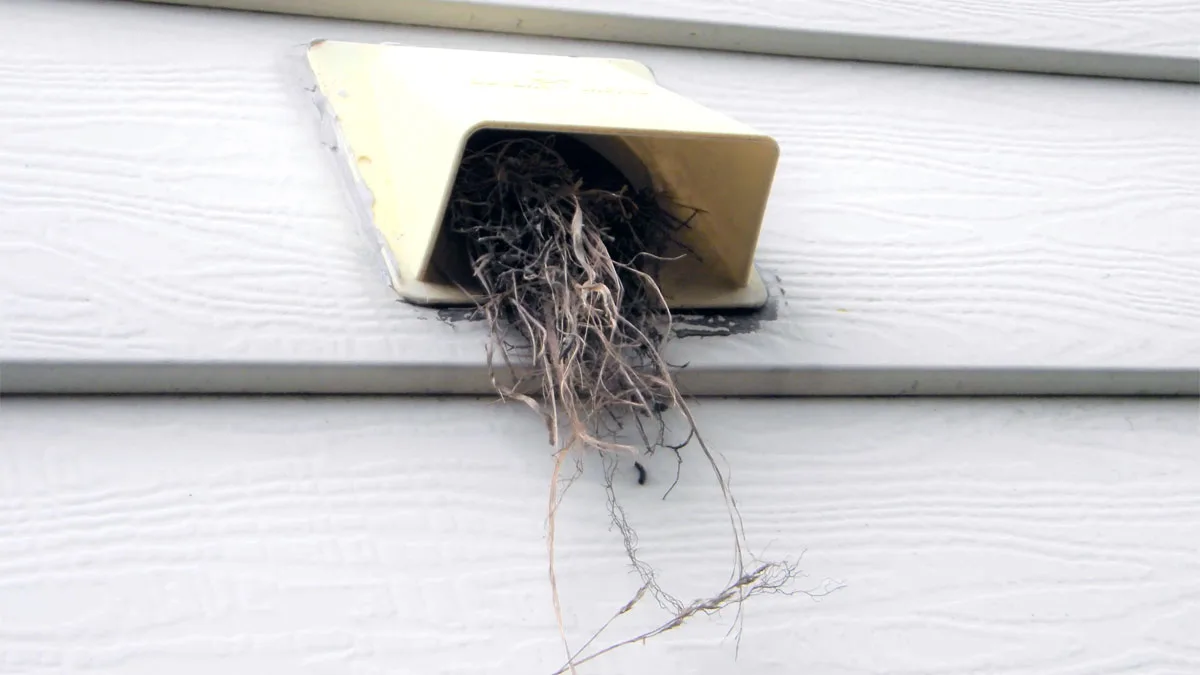
Image source: Bing (Web (fair-use with source credit))
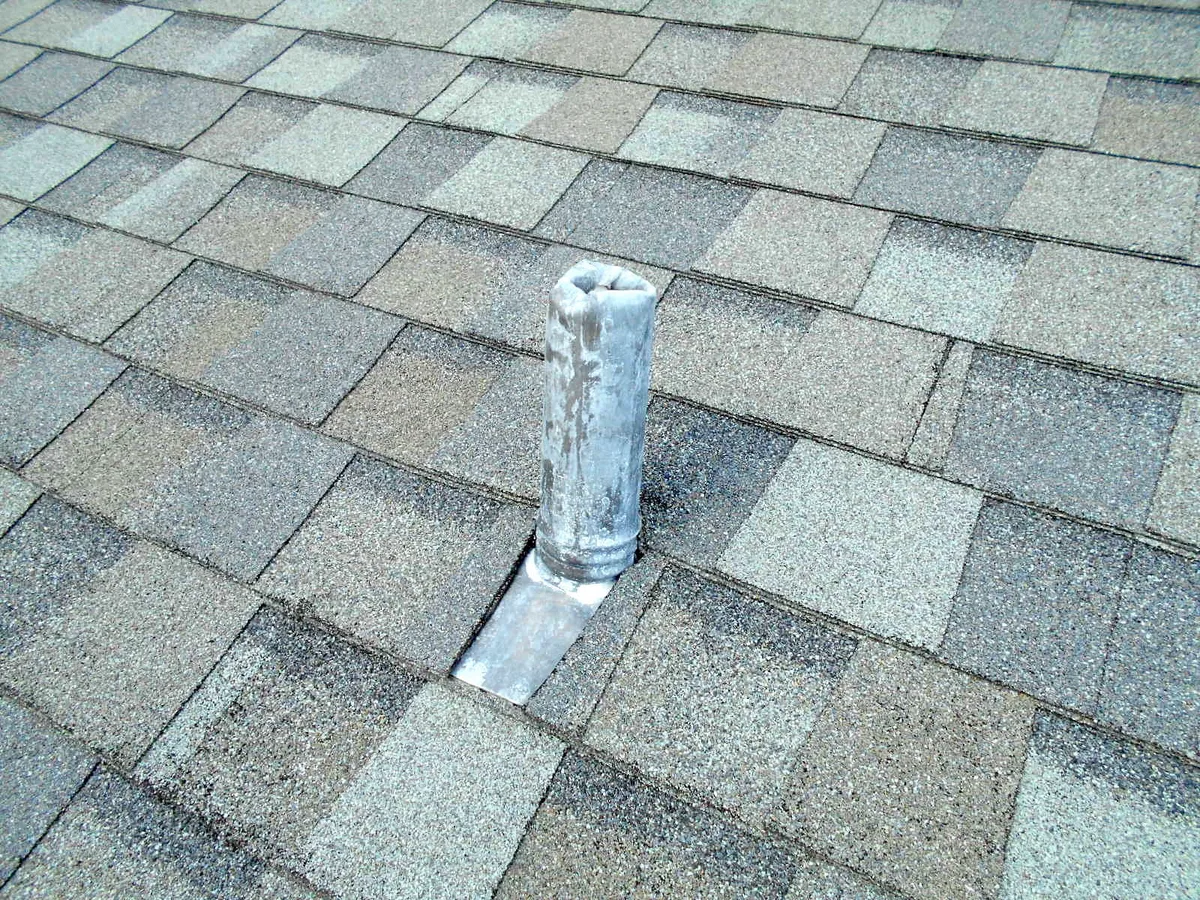
Step 3: Inspect the roof vent. Your plumbing has a pipe sticking out of your roof called the vent stack. If it is blocked by a bird nest, leaves, or a dead animal, sewer gas has no escape. It backs into your house.
On a rainy day, look for missing vent caps or visible nests. You can do this from the ground with binoculars.
Step 4: Check the attic and crawlspace. If steps 1 through 3 find nothing, you need to look for animal activity or mold. Use a flashlight. Look for droppings, nesting materials, urine stains on wood, or visible mold.
The smell will be strongest at the entry point.
Step 5: Call a professional for a smoke test. A plumber can pump non-toxic smoke into your plumbing vents. Wherever the smoke leaks out, you have your answer. This test costs between 200 and 500 dollars.
It is the definitive diagnostic tool.
Common Fixes for Each Cause (Sewer Vent, Dry Trap, Animal, Mold)
Your remedy depends entirely on which branch of the decision tree you landed on. Here is the fix for each scenario.
Dry P-trap. Pour a gallon of water down every drain you do not use regularly. For floor drains, use a trap primer if you have one. As a long-term solution, pour mineral oil or trap seal liquid into the drain.
It sits on top of the water and slows evaporation to months instead of weeks.
Blocked roof vent. Clear the debris yourself if it is safe to get on your roof. Wear gloves. Remove leaves, nests, or ice.
Install a mesh vent cap to prevent future blockages. If the vent pipe is crushed or cracked, call a plumber for replacement.
Animal urine in attic or crawlspace. This is a job for an enzyme cleaner. Standard bleach will not remove dried urine crystals. Look for enzymatic cleaners designed for pet urine.
Spray affected wood and let it air out for 24 to 48 hours. If the urine has soaked into insulation or drywall, replace those materials. Call a wildlife removal service if animals are still active.
Mold. Find the moisture source first. Fix the leak, improve ventilation, or install a dehumidifier. Then clean the mold with a solution of water and detergent.
Wear an N95 mask and gloves. For areas larger than 10 square feet, call a professional remediation company.
Mistakes That Cost You Time and Money
Bleaching the smell. Bleach reacts with ammonia and can produce toxic chloramine gas. Do not mix bleach with anything that smells like urine. You could make yourself sick.
Covering with air fresheners. Candles, sprays, and plug-ins mask the smell without fixing the cause. You lose your ability to track the source. Stop covering it up.
Ignoring the roof vent. Many homeowners spend hundreds on plumbers, drain cleaning, and septic inspections. They never look up. The roof vent is free to inspect and often the fix takes 10 minutes.
Sealing a floor drain. A sealed drain is a blocked drain. Sewer gas can still leak around the seal or build up pressure. Fix the water seal instead.
Assuming it is a dead animal. Dead animal smell has a distinct rotting meat quality at first. It transforms over two weeks into a foul, greasy odor. It does not smell like ammonia or fresh urine.
If you smell pee, it is probably not a dead animal. Do not start cutting holes in your drywall.
Hiring the wrong pro first. A general handyman may not have a smoke machine. A plumber handles vents and traps but not wildlife. A wildlife removal expert handles animals but not plumbing.
Know your diagnosis before you call. You will get the right person on the first try and save 200 to 500 dollars in visit fees.
When to Call a Pro (and Who to Call)
You have gone through every step and still cannot find the source. Or you found it and the fix is beyond your comfort zone. Here is exactly which professional handles each scenario.
Plumber. Call a licensed plumber if you suspect a blocked vent, a cracked pipe, or a dry trap that will not hold water. They can perform a smoke test in about an hour. That test is the gold standard for finding sewer gas leaks.
A plumber can also verify hydrogen sulfide levels with a meter.
Wildlife removal specialist. If you found droppings, nesting, or fresh urine stains in the attic or crawlspace, call a wildlife pro. They handle animal exclusion, removal, and cleanup. Do not use a pest control company that only poisons rodents.
The dead animals will rot in your walls and make the smell worse.
Mold remediation company. If the mold test came back positive and the affected area is larger than 10 square feet, bring in a certified professional. The EPA recommends professional remediation for large mold problems. These companies have HEPA vacuums, containment barriers, and proper disposal methods.
| Problem Found | Who to Call | Typical Cost |
|---|---|---|
| Blocked roof vent | Plumber or roofer | $100 to $500 |
| Cracked sewer pipe | Plumber | $500 to $2,500 |
| Animal urine in attic | Wildlife removal | $200 to $1,000 |
| Large mold colony | Mold remediation | $500 to $2,500 |
Frequently Asked Questions
Why does the smell only appear during rain?
Rain changes air pressure around your house and raises humidity. Lower pressure pulls sewer gas through dry traps or cracks. Higher humidity reactivates dried urine crystals in your attic or crawlspace.
Both triggers disappear once the rain stops and the house dries out.
My house smells like cat pee but I do not own a cat. What causes that?
Sewer gas and old raccoon urine produce a similar ammonia scent. Raccoon urine has a high pH that intensifies when humidity rises. Sewer gas smells sharper and more chemical.
Use the smell diagnosis table above to tell them apart.
Can sewer gas make me sick?
Yes, at high enough concentrations. Hydrogen sulfide causes headaches, dizziness, and nausea at levels above 5 parts per million. Very high levels can be dangerous.
If anyone in your home feels sick when the smell is present, open windows and call a plumber immediately.
Should I call a plumber or a wildlife removal company first?
Start with a plumber. Sewer gas is the most common cause of a rain-related pee smell. A smoke test costs 200 to 500 dollars and rules out plumbing in one visit.
If the plumber finds nothing, then call wildlife removal for the attic or crawlspace.
How do I describe the problem to a professional over the phone?
Say that your home smells like urine only when it rains. Mention the location of the strongest odor. Tell them whether you have checked your drains and your roof vent.
This information lets them bring the right equipment on the first visit, saving you a trip fee.

Similar Posts