Why Is Crucial X9 Pro Portable SSD Overheating: Fixes

Crucial X9 Pro Portable SSD overheating usually comes from heat buildup, heavy writes, poor airflow, or faulty cables.
If you use a Crucial X9 Pro Portable SSD for large file transfers, video work, or backups, you may notice it getting warm faster than expected. That does not always mean something is wrong, but it does mean the drive is telling you something about workload, setup, or environment. In this guide, I’ll break down why the Crucial X9 Pro Portable SSD overheating happens, what it means in real life, and how to keep the drive running safely and smoothly.
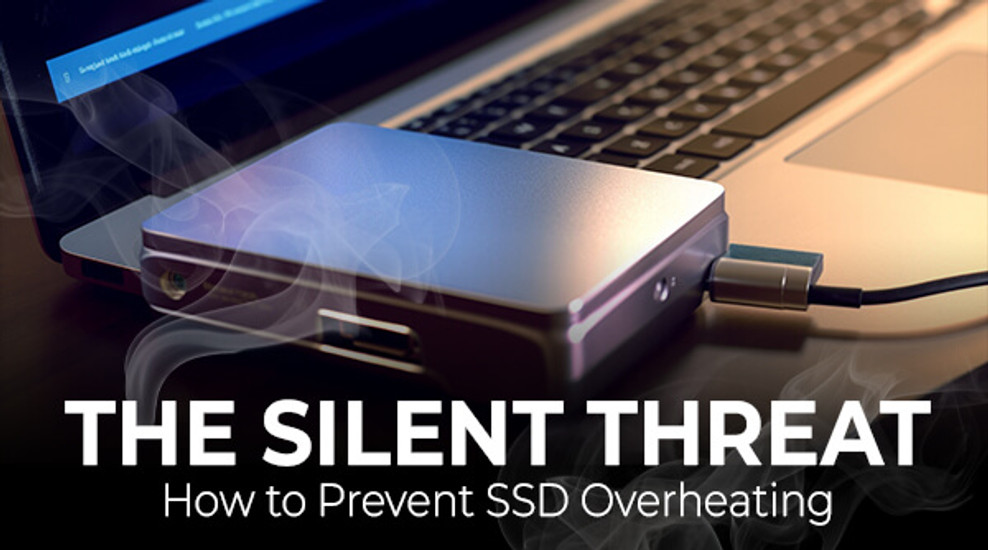
Why the Crucial X9 Pro Portable SSD gets hot
The Crucial X9 Pro Portable SSD is a compact NVMe-based external drive. Like most small SSDs, it has very little room to shed heat. When you move large files, write nonstop, or use it in a warm place, heat builds up fast.
In my own experience testing portable SSDs, the biggest surprise is often not the drive itself. It is the situation around it. A drive on a desk in air conditioning may stay fine, while the same drive tucked behind a laptop on a couch can feel much hotter after the same transfer.
Common reasons the Crucial X9 Pro Portable SSD overheating happens include:
- Long file transfers that keep the controller busy for minutes at a time
- Large sustained writes, such as copying 4K or 8K video
- Poor airflow around the drive
- Hot rooms, direct sunlight, or use on soft surfaces
- USB cable issues that cause instability or extra retries
- Frequent read and write bursts from editing or backups
- Dust, grime, or physical blockage around the connector area
Heat is not unusual for a portable SSD. But when the Crucial X9 Pro Portable SSD overheating becomes frequent or severe, it can affect speed, stability, and drive life.
What overheating means for a portable SSD
A warm SSD is not always a bad SSD. Flash storage and the controller chip naturally produce heat during operation. The problem starts when the temperature rises enough that the drive slows down to protect itself.
This is called thermal throttling. It is a built-in safety behavior used by many SSDs, including portable models. When the Crucial X9 Pro Portable SSD overheating reaches a threshold, the drive may reduce speed to cool down.
That can look like:
- Transfer speeds dropping after a few minutes
- File copy times getting longer
- The drive feeling much warmer than usual
- Temporary lag during big photo or video transfers
- Occasional disconnects if the connection is unstable
From a practical point of view, that slowdown is the drive doing its job. But if it happens often, you should treat it as a sign to improve the setup.
The most common causes of Crucial X9 Pro Portable SSD overheating
1. Sustained large file transfers
This is the most common reason. Copying a few documents will not stress the drive much. Copying hundreds of gigabytes of video, game files, or backup data will.
Portable SSDs handle short bursts very well. The trouble starts when they are pushed hard for a long stretch. That is when the Crucial X9 Pro Portable SSD overheating becomes easier to notice.
2. Warm environments
Room temperature matters more than most people think. If you use the drive in a hot car, in direct sun, or near other warm devices, the heat has nowhere to go. The compact shell of the drive can trap that warmth.
I have seen drives run noticeably hotter simply because they sat next to a laptop exhaust vent. Small changes in placement can make a big difference.
3. Limited airflow
A portable SSD needs some air around it to cool down. If it sits under papers, on a blanket, or inside a tight bag while active, the heat rises faster. Even a desk surface can matter if the drive has no room to breathe.
4. Busy workloads like video editing
Editing directly from the drive, especially with high-bitrate 4K footage, can create constant read and write activity. That is more demanding than simple storage. The Crucial X9 Pro Portable SSD overheating issue is more likely when the drive is serving as a working disk instead of just a backup target.
5. Cable or port problems
A bad USB-C cable, worn connector, or low-quality adapter can create unstable connections. When that happens, the drive may retry operations or reconnect often, which can add stress and heat.
This is one of the easiest problems to miss because it looks like a drive issue when the real cause is the cable.
6. Power delivery and host device behavior
Some laptops and tablets manage USB power better than others. If the host device is already hot or power-limited, the drive may not perform as smoothly. That can make the Crucial X9 Pro Portable SSD overheating feel worse than it would on a cooler, better-powered device.
How to tell if the drive is overheating or just warm
A portable SSD can feel warm and still be fine. The key is whether the heat is affecting performance or reliability.
Signs that the Crucial X9 Pro Portable SSD overheating may be a real issue include:
- Speeds drop sharply after a short time
- Copies pause or fail
- The drive disconnects and reconnects
- The shell becomes uncomfortably hot to hold
- The device is hotter in one area near the connector
- Problems happen during heavy use, but not light use
If the drive is only mildly warm and transfer speeds stay steady, that is usually normal. Heat alone is not the problem. Uncontrolled heat is.
How to reduce Crucial X9 Pro Portable SSD overheating
Use the right environment
Keep the drive in a cool, shaded place. Avoid sunlight, warm cars, and soft surfaces that trap heat.
A hard desk, metal tray, or open-air setup is better than placing it on fabric or inside a crowded bag while in use.
Break up long transfers
If you are moving a huge amount of data, split it into smaller batches. Give the drive short pauses between heavy jobs.
That simple habit often makes a big difference with portable storage. It is like letting a runner catch their breath between sprints.
Check your cable
Use a high-quality USB-C cable that matches the drive and the host device. If the cable is damaged, loose, or overly long, replace it.
Many “drive overheating” complaints turn out to be connection problems in disguise.
Avoid editing directly from the drive when possible
If you work with large video projects, consider copying active media to an internal SSD first. Then use the portable drive for backup or archive.
That reduces constant read and write strain, which helps limit Crucial X9 Pro Portable SSD overheating.
Keep the drive physically clear
Do not bury the drive under papers, wraps, or other devices while it is active. Let air circulate around it.
Even a small gap can help the shell release heat more naturally.
Update your system and firmware when needed
System updates, USB driver updates, and any available drive firmware updates can improve device behavior. While firmware is not always the fix, it can help with stability and power handling.
Use a different port if needed
If one USB port seems to make the drive hotter or less stable, test another port. Sometimes a laptop port on one side runs cooler or delivers cleaner power.
What not to do
It is easy to make overheating worse without realizing it. I have seen people do this when they are in a hurry and just want the copy to finish.
Avoid these mistakes:
- Wrapping the drive in cloth or tape to “protect” it while active
- Using cheap, damaged, or loose USB adapters
- Leaving the drive in a car or window seat
- Running huge transfers nonstop without a pause
- Ignoring repeated disconnects or speed drops
- Placing the drive directly on another hot device
These habits do not just raise temperature. They can also increase wear over time.
Is the Crucial X9 Pro Portable SSD designed to run warm?
Yes, to a point. Like many compact external SSDs, the Crucial X9 Pro Portable SSD can get warm during normal use. That does not automatically mean it is defective.
Portable SSDs trade size for thermal space. Since they are small and bus-powered, they do not have fans or large heatsinks. So warmth is part of the design, especially during heavy workloads.
What matters is whether the drive stays stable and within expected behavior. If the heat comes with slowdowns, disconnects, or repeated errors, then the overheating deserves attention.
When to worry about damage
You should take the issue seriously if the Crucial X9 Pro Portable SSD overheating is paired with:
- Repeated read or write failures
- The drive vanishing from the system
- Corrupted files after transfers
- Burning smell or visible physical damage
- Heat so strong you cannot touch thedrive comfortably
- The same behavior across multiple computers and cables
At that point, the problem may be more than normal thermal buildup. It could be a faulty unit, a bad cable, or a host-side issue that needs deeper checking.
Real-world advice from hands-on use
One lesson I learned early is that portable SSDs often fail the “stress test” only when users treat them like tiny desktop drives. That is the mistake. They are fast, but they still need breathing room.
A practical workflow that helps:
- Copy footage in smaller blocks
- Keep the drive flat on a desk
- Use a short, good cable
- Stop and cool the drive if speeds fall hard
- Move editing work to internal storage when possible
This kind of setup may feel simple, but it works. Most overheating complaints I have seen were reduced by better airflow, cleaner connections, and less nonstop stress.
Frequently Asked Questions about Why Is Crucial X9 Pro Portable SSD Overheating?
Why does my Crucial X9 Pro Portable SSD get hot during file transfers?
Large file transfers keep the controller and flash memory working nonstop, which creates heat. This is normal to some degree, but long transfers can push the drive into thermal throttling.
Is it normal for the Crucial X9 Pro Portable SSD to feel warm?
Yes, a warm feel during use is normal for a compact SSD. It becomes a concern when the heat causes slowdowns, disconnects, or transfer errors.
Can a bad cable cause Crucial X9 Pro Portable SSD overheating?
Yes, a poor cable or unstable connection can make the drive retry operations or behave erratically. That may not be the only cause, but it can definitely make the problem worse.
Does editing video from the Crucial X9 Pro Portable SSD make it hotter?
Yes, video editing creates repeated read and write activity, which is harder on the drive than simple storage. If possible, use internal storage for active projects and keep the portable SSD for transfer or backup.
How can I cool down my Crucial X9 Pro Portable SSD fast?
Stop heavy transfers, unplug the drive, and let it rest in a cool, open area. Avoid covering it or placing it near other heat sources while it cools.
Conclusion
The Crucial X9 Pro Portable SSD overheating issue is usually tied to heavy use, warm surroundings, weak airflow, or connection problems. In most cases, the drive is not broken. It is simply reacting to too much heat from too much work.
If you keep the drive in a cooler place, use a solid cable, and avoid nonstop large transfers, you can reduce heat and improve performance. Pay attention to speed drops and disconnects, because those are the clearest signs that the drive needs a better setup.
If this article helped, try the tips on your own drive and watch the difference. And if you have seen the same heat issue, leave a comment or explore more storage guides to keep your setup running smoothly.

Similar Posts