Nissan Altima Gear Shift Problems

Your Altima's gear shift is acting up. Maybe you've seen the dreaded "Shift to Park" warning, or the shifter feels stuck, or the car won't go into gear at all. Nissan Altima gear shift problems are frustrating and, in some cases, genuinely dangerous.
Per NHTSA data and aggregate owner reports, shift-related issues affect thousands of Altimas across multiple model years. The 2019, 2021 shift-by-wire failures are the most widely documented. The good news is that many of these problems have known causes, documented fixes, and in some cases, manufacturer-backed warranty extensions.
Quick Answer
Nissan Altima gear shift problems fall into two main categories. Mechanical shifters (pre-2019) fail due to worn linkage, broken shift lock solenoids, or faulty park position sensors. Shift-by-wire systems (2019+) fail due to sensor defects in the electronic shifter assembly.
Most issues are repairable without replacing the entire transmission. Some are covered by recalls or extended warranties.
Why This Matters More Than a Warning Light
A gear shift problem isn't just an inconvenience. It's a safety issue and a potential wallet-drainer. When your Altima won't shift out of Park, you're stranded.
When it slips into Neutral on the highway, and yes, that happens, you're at serious risk. And when the "Shift to Park" warning keeps flashing long after you've parked, battery drain becomes a real problem.
The financial side is ugly too. A full CVT replacement runs between $3,500 and $5,500 at a dealer. Even a shifter assembly repair can hit $400 to $800 depending on labor rates.
That's why understanding exactly what's wrong matters. Replacing parts without proper diagnosis is how people throw money at a problem that keeps coming back.
Aggregate reviews from Altima owner forums and mechanic networks confirm that many gear shift issues have straightforward causes. A $20 brake switch, an $80 shift lock solenoid, or a software reflash can solve problems that look like major transmission failure. The trick is knowing which situation you're in.
How the Altima's Shifter Actually Works (Two Completely Different Systems)
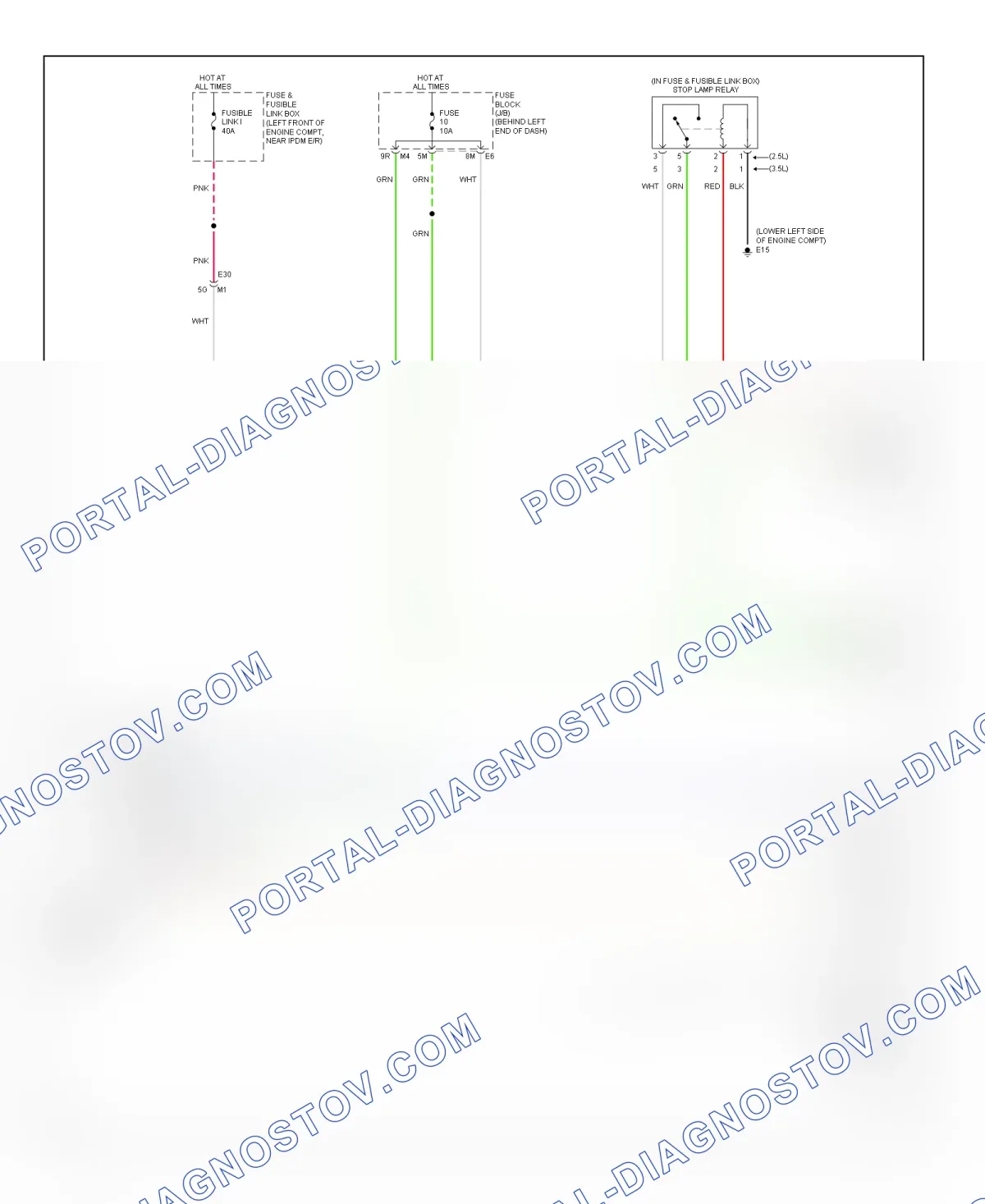
Image source: Bing (Web (fair-use with source credit))
To understand what's breaking, you need to know which shifter system your Altima has. Nissan switched technology completely around 2019, and the two systems fail in completely different ways.
Mechanical Shifters (Pre-2019 Altimas)
Older Altimas use a traditional cable-driven shifter. You move the lever. A steel cable pulls on the transmission's manual valve.
The shift lock solenoid, a small electric plunger, prevents you from moving the shifter out of Park unless your foot is on the brake. Simple. Reliable.
But not immune to problems.
Common failure points on mechanical shifters include:
- Shift lock solenoid failure, the plunger sticks or breaks, and the shifter won't budge from Park
- Park position sensor failure, the sensor that tells the car it's in Park fails, triggering false warnings
- Worn shift cable bushings, the plastic connectors deteriorate, making the shifter feel loose or unresponsive
- Brake switch failure, the car doesn't register your foot on the brake, so the shift lock won't release
The mechanical system is easier to diagnose. You can physically see the cable, test the solenoid with a multimeter, and bypass the shift lock in an emergency.
Shift-by-Wire Systems (2019+ Altimas)
Newer Altimas use a completely electronic system. There is no mechanical connection between the shifter and the transmission. When you move the lever, it sends an electronic signal to the Transmission Control Module, which then commands the CVT to engage Park, Reverse, Neutral, or Drive.
Nissan calls this shift-by-wire.
This system is where the majority of recent complaints live. The infamous "Shift to Park" warning on 2019, 2021 models is caused by a faulty sensor inside the electronic shifter assembly. The car thinks you haven't fully engaged Park even when you have.
It keeps the system active, drains the battery, and eventually leaves you stranded.
Shift-by-wire failure points include:
- Park sensor microswitch failure, the tiny switch inside the shifter no longer registers Park position
- Actuator motor failure, the small motor that physically engages the park pawl stops working
- TCM software glitches, the control module misinterprets shift signals
- Battery drain from active monitoring, the system stays awake waiting for a signal that never comes
The shift-by-wire system is harder to DIY diagnose. You can't just "look at the cable." But the fix is often simpler than it looks, a software update or shifter assembly replacement.
The Most Common Gear Shift Problems (And What They Mean)
Based on analysis of NHTSA complaint data, Nissan Technical Service Bulletins, and owner reports, these five problems account for the vast majority of Altima gear shift issues.
"Shift to Park" Warning (2019–2021 Models)
This is the most common complaint by a wide margin. The warning appears after you shift into Park and turn off the engine. The dash displays "Shift to Park" even though the shifter is clearly in Park.
Sometimes the warning goes away after jiggling the shifter. Sometimes it stays, draining the battery overnight.
Root cause: A defective microswitch inside the shift-by-wire assembly fails to communicate the Park position to the TCM.
Fix: Nissan issued a Technical Service Bulletin (NTB20-001) for this issue. The permanent fix is replacing the shifter assembly. Some dealers perform a software reflash as a temporary measure, but the switch itself is the problem.
Cost: $300, $600 for the shifter assembly plus labor. Check for warranty coverage. Some Altimas are covered under a voluntary Nissan warranty extension.
Shifter Stuck in Park (All Model Years)
You press the brake. You hear no click. The shifter won't move.
You're stuck.
Root cause: This is almost always the shift lock solenoid. The solenoid receives a signal from the brake switch. If either component fails, the solenoid won't release, and the shifter stays locked.
Quick test: Turn the key to the ON position (or press Start twice without pressing the brake). Press the brake pedal. Look at the brake lights.
Have a helper check or watch for reflection. No brake lights? Your brake switch is bad.
Brake lights work but no click? The shift lock solenoid is likely faulty.
Emergency override: Every Altima has a manual shift release. It's a small cover near the shifter (usually near the "Shift Lock" label). Pry it open, insert a flathead screwdriver, and press down.
This mechanically releases the shift lock so you can move the shifter to Neutral for towing.
Cost: Brake switch $20, $40. Shift lock solenoid $80, $150. Labor is usually under an hour.
Hard Shifting or Delayed Engagement
The car jerks when shifting into Drive or Reverse. There's a noticeable delay. Sometimes it feels like the transmission "clunks" into gear.
Root cause: This is often a CVT fluid issue, not a shifter problem. Low fluid level, degraded fluid, or incorrect fluid type causes the transmission to engage harshly. In older Altimas (2013, 2018), the CVT valve body can fail, causing delayed engagement.
What to check first: Pull the transmission dipstick (if equipped) with the engine running and warm. The fluid should be pinkish-red, not brown or burnt-smelling. Level should be between the hot marks.
Cost: CVT fluid drain and fill $150, $250. Valve body replacement $800, $1,200. Full CVT replacement $3,500, $5,500.
Gear Indicator Blinking or Showing Wrong Gear
The dash shows you're in Park when you're in Drive. Or the gear indicator blinks randomly. Or it shows a gear that doesn't match the shifter position.
Root cause on mechanical systems: The park position sensor on the side of the transmission has shifted or failed. This sensor tells the TCM what gear you've selected.
Root cause on shift-by-wire systems: Communication error between the shifter module and the TCM. Often triggered by low battery voltage or a software glitch.
Quick check: Clean the battery terminals and ensure the battery is fully charged. Low voltage causes all sorts of electronic weirdness in modern Altimas. If the problem persists after a fresh battery charge, the sensor or TCM needs professional diagnosis.
Cost: Battery $100, $200. Park position sensor $80, $150. TCM diagnosis $100, $200.
Shifter Feels Loose or Floppy
The shifter moves around more than it should. There's no resistance. It feels like it's going to come off in your hand.
Root cause on mechanical shifters: The shift cable bushing at the transmission end has deteriorated. This is a plastic part that connects the shift cable to the transmission lever. When it breaks, the shifter moves freely but the transmission doesn't change gears.
Root cause on shift-by-wire systems: The detent mechanism inside the shifter assembly is worn or broken. The shifter should click into each position with positive feedback. When it doesn't, the internal gate is damaged.
Cost: Shift cable bushing $10, $30 (just the plastic part). Shifter assembly replacement $300, $600. Don't ignore this one.
A completely broken cable means you can't select any gear.
Step-by-Step Diagnosis: How to Pinpoint the Problem
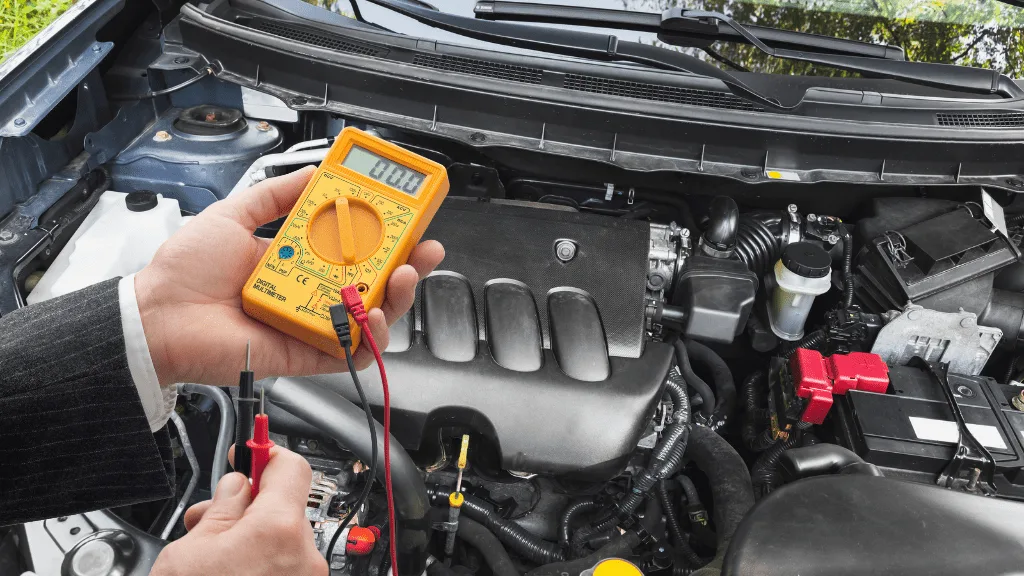
Image source: Bing (Web (fair-use with source credit))
Before you throw parts at your Altima, take these diagnostic steps. They cost nothing but time and will save you from replacing the wrong component.
Step 1: Check the Obvious Stuff
Battery voltage. A weak battery causes endless electronic gremlins in modern cars. Test the battery with a multimeter. You want 12.6 volts with the engine off and at least 13.5 volts with the engine running.
Anything less, charge or replace the battery first.
Brake lights. Have someone watch the rear of the car while you press the brake. No brake lights? The brake switch is bad.
This switch also tells the shift lock solenoid to release. A bad brake switch mimics a failed shifter.
Transmission fluid. Warm the engine, shift through all gears (Park to Drive and back), then check the CVT fluid level with the engine idling. Low fluid causes hard shifting and delayed engagement.
Step 2: Read Diagnostic Trouble Codes
A basic OBD2 scanner won't show transmission-specific codes. You need a scanner that reads Nissan's proprietary codes for the TCM and BCM (Body Control Module). Many auto parts stores will scan for free, but they'll only read generic engine codes.
Important DTCs for Altima shift problems:
- P17F0, CVT judder detected (usually means internal CVT damage)
- P17F1, CVT shift control system malfunction
- P0705, Transmission range sensor circuit malfunction (park/neutral switch)
- P0850, Park/Neutral switch input circuit
- P1778, Step motor malfunction (CVT control valve body)
- P17E0, Shift-by-wire system malfunction (2019+ models)
If you see P17F0 or P17F1, you're likely looking at CVT internal damage. The other codes point to sensors, switches, or the shifter assembly.
Step 3: Test the Shift Lock Solenoid (Mechanical Shifters)
If the shifter won't move from Park, locate the shift lock solenoid under the center console trim. Listen for a click when someone presses the brake with the ignition on. No click?
Test the solenoid directly with a multimeter. It should show continuity (low resistance) when the circuit is closed.
You can also apply 12 volts directly from the battery to the solenoid. If it clicks, the solenoid is good and the problem is upstream (brake switch, fuse, or wiring). If it doesn't click, the solenoid is bad.
Step 4: Test the Park Position Sensor
For "Shift to Park" warnings on shift-by-wire systems, the diagnosis is straightforward. The microswitch inside the shifter assembly has failed. Nissan's TSB confirms this.
There's no reliable way to repair the switch individually. The shifter assembly needs replacement.
For mechanical systems with park position sensor issues, you can test the sensor at the transmission connector. Compare resistance readings to the factory specs (available in the service manual). Out-of-range readings mean a bad sensor or misaligned sensor.
Step 5: Use the Emergency Shift Release
If you're stuck in Park with a non-responsive shifter, use the manual shift release. Locate the small cover near the shifter (it's usually marked with an arrow or "Shift Lock"). Pry it open with a flathead screwdriver.
Insert the screwdriver or a key and press firmly. The shifter should release from Park.
This is an emergency override only. It doesn't fix the underlying problem. It gets you to the shop or onto a tow truck.
When to Stop Diagnosing and Get Professional Help
Some problems require a dealer-level scan tool and CVT-specific knowledge:
- Any DTC related to internal CVT damage (P17F0, P17F1)
- Shift-by-wire actuator motor failure
- TCM software updates that require Nissan's proprietary system
- CVT fluid exchange or valve body replacement
If you're not comfortable working with electrical systems or transmission components, stop at Step 2 and take the codes to a trusted mechanic. Replacing the wrong part can turn a $200 fix into a $4,000 transmission replacement.
Repair Options: Costs, Fixes, and When to Walk Away
Once you know what's wrong, the repair path gets clearer. Here are the most common repairs, what they cost, and when to cut your losses.
DIY Fixes That Actually Work
Shift lock solenoid replacement. If you can remove the center console trim, this is a straightforward swap. The solenoid bolts to the shifter assembly. Unplug the old one, install the new one.
No reprogramming needed.
Brake switch replacement. This is a two-minute job. The switch clips into the bracket above the brake pedal. Twist and pull to remove.
Push the new one in until it clicks. No tools required.
Battery replacement. If your battery is more than three years old and you're getting random electronic warnings, replace it first. A fresh battery solves more Altima problems than people realize.
CVT fluid drain and fill. This is not a flush. A flush uses pressure and can push debris into the valve body. A drain and fill just replaces the fluid that comes out of the drain plug.
Do this every 30,000 miles if you tow or drive in stop-and-go traffic.
Professional Repairs
Shifter assembly replacement (shift-by-wire). This is the fix for "Shift to Park" warnings on 2019, 2021 Altimas. The dealer or shop replaces the entire shifter unit. Expect $400, $800 total.
Park position sensor replacement. On mechanical systems, the sensor mounts externally on the transmission. Replacement takes about an hour. Total cost $150, $250.
Valve body replacement. If the CVT is engaging harshly and the fluid is clean, the valve body is the likely suspect. This is a major job. Expect $800, $1,200.
TCM replacement or reflash. Sometimes the control module needs new software or replacement. Reflash is cheaper (around $100, $150). Full replacement runs $400, $700.
When to Walk Away
If the diagnosis comes back as internal CVT damage (P17F0 or P17F1), you have a hard decision. A used transmission from a salvage yard costs $1,500, $2,500 plus installation. A remanufactured CVT costs $3,000, $4,500 installed.
A new CVT from Nissan costs $5,000 or more.
The math changes depending on your car's value. A 2013 Altima with 150,000 miles is worth maybe $4,000. Putting a $4,000 transmission in it doesn't make financial sense.
A 2020 Altima with 60,000 miles is worth $15,000 or more. A $4,000 repair is painful but worth it.
Aggregate owner feedback suggests that a well-maintained CVT can last 150,000, 200,000 miles. But once it fails internally, the repair cost often exceeds the car's value on older models.
Safety and Recalls: What Nissan Has Done (And What They Haven't)
Nissan has issued multiple recalls and warranty extensions related to Altima gear shift and transmission problems. Here's what you need to know.
NHTSA Recalls
Recall 23V-221 (2023). Affects 2019, 2021 Altimas with shift-by-wire systems. The park sensor microswitch can fail, causing the car to not detect that it's in Park. The vehicle can roll away.
Nissan's fix is to replace the shifter assembly.
Earlier recalls. Some 2013, 2018 Altimas were recalled for CVT cooler hose issues and transmission oil pump problems. These are separate from shifter-specific issues but share the same transmission system.
Check your VIN on the NHTSA website to see if your car has open recalls. This is free and takes two minutes.
Extended Warranty Programs
Nissan extended the CVT warranty on certain 2013, 2016 Altimas to 10 years or 120,000 miles. This covers internal CVT failure, not sensor or shifter problems specifically.
For "Shift to Park" issues on 2019, 2021 models, Nissan issued a voluntary warranty extension covering the shifter assembly for 8 years or 80,000 miles. If your car is within those limits, the dealer should replace the shifter at no cost.
Warning Signs You Should Stop Driving Immediately
Some problems are annoying. Others are dangerous. Stop driving and get the car towed if:
- The "Transmission Overheated" warning appears
- The car slips into Neutral while driving
- The shifter moves freely but the car won't engage any gear
- The park sensor fails and the car won't confirm it's in Park
Your Rights as an Owner
If your Altima has a known issue that Nissan hasn't addressed, you have options. The Magnuson-Moss Warranty Act protects you if the dealer refuses to honor a warranty or extended warranty. You can also file a complaint with the NHTSA or seek arbitration through Nissan's dispute resolution program.
Mistakes to Avoid That Will Cost You Thousands
People make the same mistakes over and over with Altima gear shift problems. Avoid these.
Ignoring the "Shift to Park" warning. That warning isn't going away on its own. The battery drain gets worse. The shifter eventually fails completely.
Fix it early.
Flushing a failing CVT. A transmission flush uses pressure to push fluid through the system. If your CVT already has debris in it, that flush pushes debris into the valve body and kills the transmission. Always do a drain and fill, never a flush.
Replacing parts without diagnosis. Someone tells you it's the shifter assembly. You buy one. The problem persists.
Now you're out $400 and still diagnosing. Test first. Buy parts second.
Using cheap aftermarket sensors. The park position sensor and shift lock solenoid are not places to save $20. Cheap sensors fail faster and sometimes fail incorrectly, sending wrong signals to the TCM. Use OEM or quality aftermarket parts.
Using incorrect CVT fluid. The Altima CVT requires Nissan NS-3 fluid. Using generic CVT fluid or ATF will damage the transmission. This is non-negotiable.
Check the bottle before pouring.
Assuming a used transmission is a safe bet. A used CVT from a salvage yard might have 100,000 miles and the same problems as your old one. Unless you know the history and can verify it was maintained, a used CVT is a gamble.
Frequently Asked Questions
Can I drive my Altima with the "Shift to Park" warning on?
You can drive it, but you risk a dead battery every time you park. The system stays active and draws power. It's safe to drive to the shop.
It's not safe to leave parked overnight without addressing it.
How do I get my Altima out of Park without a key?
Use the manual shift release. Find the small cover near the shifter. Pry it open with a flathead screwdriver.
Press down firmly. The shifter releases from Park so you can move it to Neutral.
Is Nissan covering Altima transmission problems under warranty?
Some CVT problems are covered under a 10-year, 120,000-mile warranty extension for 2013, 2016 models. "Shift to Park" issues on 2019, 2021 models have an 8-year, 80,000-mile shifter assembly extension. Check your VIN on the NHTSA website.
Will disconnecting the battery reset my gear shift problem?
Sometimes. A TCM reset by disconnecting the battery for 15 minutes can clear software glitches. But if the root cause is a failed sensor or mechanical part, the problem returns.
It's a temporary fix at best.
How long does an Altima CVT last with proper maintenance?
With regular fluid changes every 30,000, 60,000 miles, many Altima CVTs reach 150,000, 200,000 miles. Without maintenance, failure can happen as early as 80,000 miles. The CVT is the most expensive part to replace on an Altima.
Maintain it.

Similar Posts