Can Air Fryers Cook Burgers
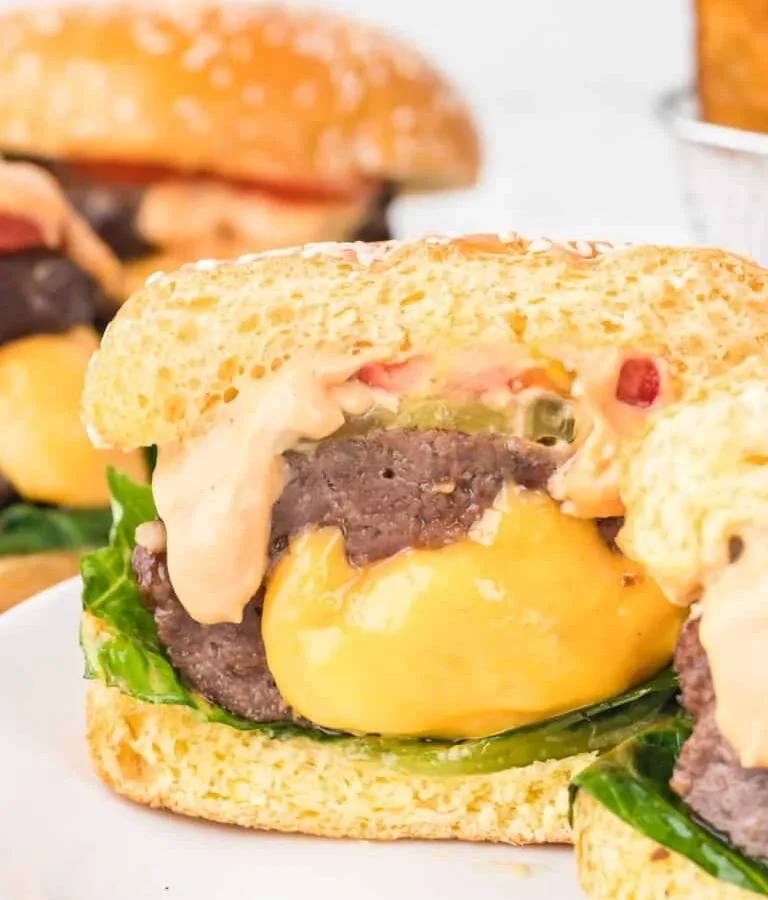
Can Air Fryers Cook Burgers? If you've ever stared at your air fryer wondering whether it can handle a proper burger, you're not alone. It's one of those questions that seems simple on the surface but gets complicated fast once you think about texture, juiciness, and that charred flavor we associate with a good patty.
The short answer is yes, air fryers can cook burgers, but the result is different from what you'd get off a grill or out of a cast iron skillet.
Here's the honest truth as of 2026. Per USDA guidelines, ground beef must reach an internal temperature of 160°F to be safe to eat, and air fryers can absolutely hit that target. But temperature isn't the whole story.
The real question is whether you'll enjoy the burger that comes out. Let's walk through what actually happens when you put a patty in that basket.
Quick Answer
Yes, air fryers cook burgers. They do it in 10 to 14 minutes at 375°F. The texture is different from grilling.
You lose the char and smoky flavor. You gain speed and easy cleanup. Frozen patties work better than fresh thin ones.
For a quick weeknight burger, it works. For a backyard cookout experience, it won't replace the grill.
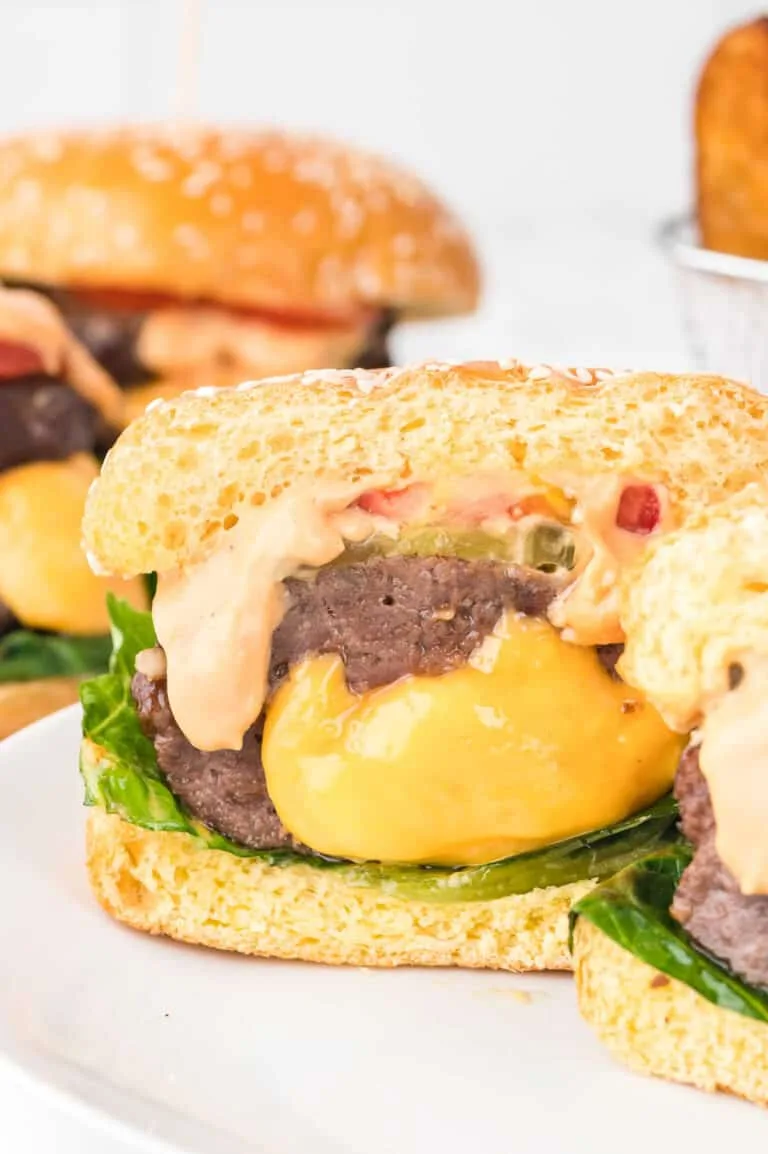
Image source: Bing (Web (fair-use with source credit))
How Air Frying Changes a Burger (The Core Difference)
Air fryers cook by circulating hot air at high speed around food. Think of it as a small, powerful convection oven. A grill uses direct radiant heat from below.
That creates the Maillard reaction on the surface of the meat. That reaction gives grilled burgers their crust, color, and deep savory flavor.
An air fryer produces a different kind of heat transfer. The hot air hits the patty from all sides at once. The surface dries out slightly before it gets properly browned.
You end up with a burger that is fully cooked and juicy inside but pale on the outside. The crust never develops the same way.
Moisture plays a role too. On a grill, fat drips through the grates and flares up, adding smoke flavor. In an air fryer, fat drips into the bottom of the basket and sits there.
The patty cooks in its own rendered fat, especially if the basket is crowded. That leads to a softer texture on the bottom. You lose the crisp edge that a hot pan or grill provides.
Aggregate reviews from thousands of home cooks confirm this pattern. Burgers from air fryers score consistently lower on texture and flavor compared to grilled or pan-fried versions. They score higher on convenience and cleanup.
It is a trade-off, not a free upgrade.
Patty thickness matters more in an air fryer than on a grill. A thin patty under half an inch will dry out fast. The hot air hits both sides and the edges simultaneously.
A thick patty around three-quarters of an inch to a full inch gives the inside time to cook before the outside over-browns. That is the sweet spot.
Air Fryer vs. Grill vs. Skillet: The Real Comparison
This section matters most. You need to know when each method wins so you can make the right call based on your situation.
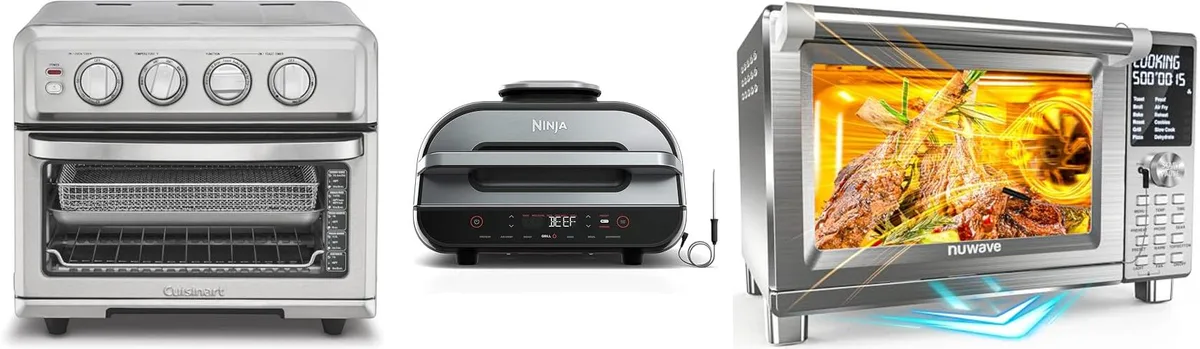
Image source: Bing (Web (fair-use with source credit))
Outdoor Gas or Charcoal Grill
The grill is the gold standard for burgers. Direct radiant heat creates a fast, aggressive sear. That sear locks in juices and builds a complex crust through the Maillard reaction plus smoke compounds from the fat dripping onto hot coals.
You get the full burger experience.
Best for: Anyone who wants the best possible flavor and texture. People cooking for a crowd. Anyone who enjoys the process of grilling itself.
Drawbacks: Weather dependent. Takes time to preheat. Requires outdoor space.
More cleanup than an air fryer. Can flare up if patties are too fatty.
Cast Iron Skillet or Grill Pan
A cast iron skillet on the stovetop comes close to a grill in terms of crust development. The pan gets screaming hot, and you get direct contact between the metal and the meat. That contact creates a deep, even sear.
You can also smash the patty down for a smash burger, which an air fryer cannot replicate at all.
Best for: Indoor cooking with great results. Smash burger fans. People who want control over the crust.
Drawbacks: More oil splatter than air fryer. Requires stovetop ventilation. You have to stand there and flip.
Cleanup involves scrubbing a hot pan.
Air Fryer
The air fryer wins on speed and convenience. No preheating required in most cases. No standing over a hot stove.
No smoke alarms going off. Set the temperature, drop in the patties, and walk away for 10 minutes. Cleanup is a quick wash of the basket.
Best for: Quick weeknight dinners. Apartment dwellers without outdoor access. Cooking frozen patties straight from the freezer.
Small households cooking one or two servings.
Drawbacks: No crust development. No smoky flavor. Patty texture is more steamed than seared.
Cheese melting is inconsistent. Thin patties dry out. Maximum capacity limits you to two to four patties depending on basket size.
| Method | Cook Time | Crust | Flavor | Cleanup | Best For |
|---|---|---|---|---|---|
| Grill | 8-12 min | Excellent | Smoky, charred | High | Best overall flavor |
| Skillet | 6-10 min | Excellent | Rich, browned | Medium | Smash burgers, indoor |
| Air Fryer | 10-14 min | Poor to fair | Mild, soft | Low | Speed, convenience, frozen |
Who Should Cook Burgers in an Air Fryer (And Who Shouldn't)
Not everyone needs a perfect crust. Not everyone has a backyard. The air fryer burger is not for the purist.
It is for the pragmatist.
You Should Use an Air Fryer If
You live in an apartment with no balcony or outdoor space. You cannot fire up a grill. You do not want to deal with smoke and oil splatter inside.
You are cooking for one or two people. You want a burger in under 15 minutes with almost no active effort. You are using frozen patties and do not want to thaw them first.
You prioritize a clean kitchen over peak flavor. Any of these describe you. The air fryer will serve you well.
Frozen patties actually perform better in an air fryer than fresh ones in some ways. The frozen surface holds its shape better during cooking. The interior stays moister because it spends less total time in the heat.
Many users report that frozen patties come out juicier than fresh thin ones in the air fryer. That runs counter to conventional cooking wisdom, but it holds up in practice.
You Should Skip the Air Fryer If
You are a burger snob and proud of it. You want a charred, smoky crust. You are cooking for a crowd.
You want smash burgers with lacy, crispy edges. You have access to a grill and the weather is good. You are willing to spend an extra five minutes for a significantly better result.
In these cases, the air fryer will disappoint you. It is not designed to replicate what a grill or skillet does. Trying to force it will leave you frustrated.
The gap between an air fryer burger and a grilled burger is real. It is not subtle. If you serve someone an air fryer burger without warning them, they will notice something is off.
It will taste fine. It will be fully cooked. It will hold together.
But it will not taste like a burger from a restaurant or a backyard cookout.
How to Actually Get a Good Burger Out of an Air Fryer
If you have decided to go ahead with the air fryer, you can improve your results significantly by following a few specific techniques. Each one addresses a specific weakness of the method.
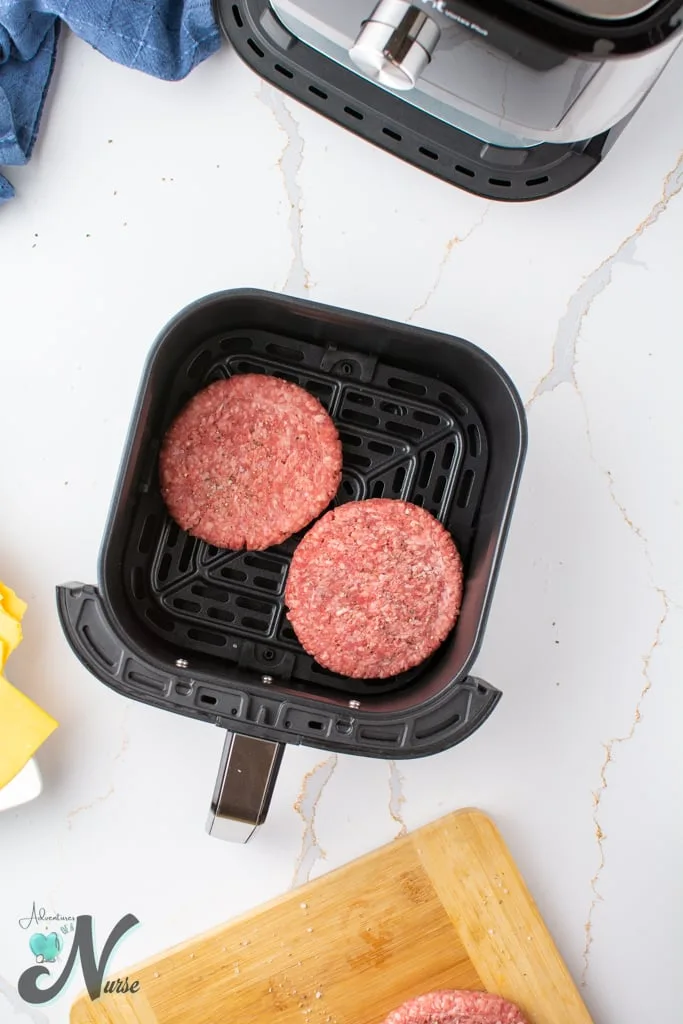
Image source: Bing (Web (fair-use with source credit))
Start With the Right Patty
Use patties that are at least three-quarters of an inch thick. Thinner patties dry out. Use 80/20 ground beef.
The fat content keeps the interior moist during the high heat blast. Leaner blends like 90/10 or 93/7 produce dry, crumbly results. If you are using turkey or chicken patties, add a tablespoon of olive oil or a splash of Worcestershire sauce to the mix to compensate for the lack of fat.
Season Generously
Season the outside of the patty with salt and pepper at minimum. Salt draws moisture to the surface, which helps with browning. You are fighting against the air fryer's tendency to produce pale meat.
Every bit of seasoning helps. Add garlic powder, onion powder, or paprika if you want more depth.
Do Not Overcrowd the Basket
This is the most common mistake. Patties must sit in a single layer with space between them. If they touch, the hot air cannot circulate.
You end up with steamed spots where the patties overlap. That means uneven cooking and a soft, soggy texture. Cook in batches if you need to.
Two patties per batch is ideal for a standard 5-quart basket.
Preheat and Oil
Preheat the air fryer for three minutes at 375°F. Spray the basket lightly with avocado or canola oil. Do not skip this.
The oil helps with heat transfer and prevents sticking. Place the patties in the basket. Do not stack them.
Flip Halfway Through
Cook for 10 to 14 minutes total depending on thickness. Flip the patties at the six-minute mark. This ensures even browning on both sides.
Without flipping, the bottom of the patty sits in rendered fat and stays soft while the top gets all the hot air.
Add Cheese at the End
Add cheese during the last 60 seconds of cooking. If you add it too early, the fan blows the cheese off the patty or melts it into a thin crust on the basket. Turn the air fryer off after adding cheese.
Let the residual heat do the melting. Cover the basket loosely with foil if you want faster melt.
Let the Patties Rest
Remove the patties from the basket and let them rest for two to three minutes on a plate. This allows the juices to redistribute. Cutting into a hot burger immediately releases those juices onto the plate instead of keeping them in the meat.
Check Internal Temperature
Use an instant-read thermometer. The USDA recommends 160°F for ground beef. Poultry burgers need 165°F.
Do not guess. Air fryers vary widely by brand and model. Your cook time may differ from someone else's.
Temperature is the only reliable measure of doneness.
Frequently Asked Questions
Can you cook frozen burger patties in an air fryer?
Yes, frozen patties work well in an air fryer. Cook them at 375°F for 12 to 16 minutes. Flip halfway through.
No need to thaw first. Frozen patties actually hold their shape better and stay moister than fresh thin ones.
Do you need to flip burgers in an air fryer?
Yes, flip them once halfway through the cook time. Without flipping, the bottom side sits in rendered fat and stays soft. Flipping gives both sides even exposure to the hot air and produces better browning.
What temperature should I cook burgers in an air fryer?
375°F is the sweet spot for most air fryers. Lower temperatures extend the cook time and dry out the patty. Higher temperatures risk burning the outside before the inside reaches 160°F.
Stick with 375°F for consistent results.
Why are my air fryer burgers dry?
Dry burgers usually come from three mistakes. Using lean ground beef with less than 20 percent fat. Cooking patties thinner than three-quarters of an inch.
Overcooking past 160°F internal temperature. Fix any of these and your burgers will improve.
Can you put cheese on a burger in an air fryer?
Yes, but add it during the last 60 seconds. Add it too early and the fan blows it off the patty. Turn the air fryer off after adding cheese.
Let residual heat melt it. Cover loosely with foil for faster melting.
How many burgers can you cook in an air fryer at once?
It depends on your basket size. A standard 5-quart basket holds two patties comfortably. A 6-quart basket can fit three.
Larger oven-style air fryers fit four to six. Never overcrowd. Patties need space for air to circulate.
The Bottom Line: When to Air Fry and When to Skip It
Air fryers can cook burgers. They cook them quickly and cleanly. The result is a fully cooked, safe, and decent tasting patty.
It will not match a grilled or pan-seared burger in flavor or texture. That is the honest trade-off.
Use the air fryer when you need a burger fast, you are cooking indoors, or you are working with frozen patties. Skip it when you have access to a grill, you want a crust, or you are cooking for people who care about the details. Match the tool to the job and you will be happy with the result.

Similar Posts