Masterbuilt Fan Not Working
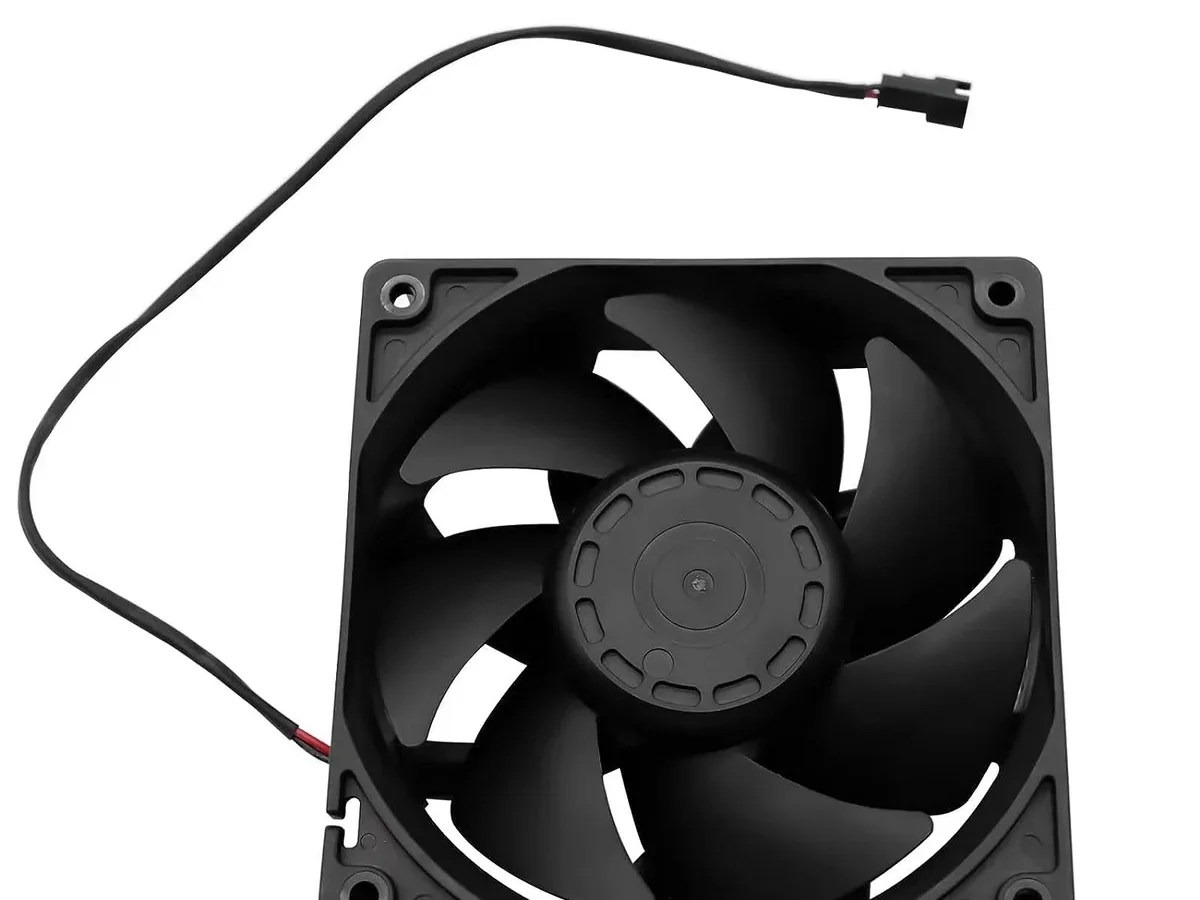
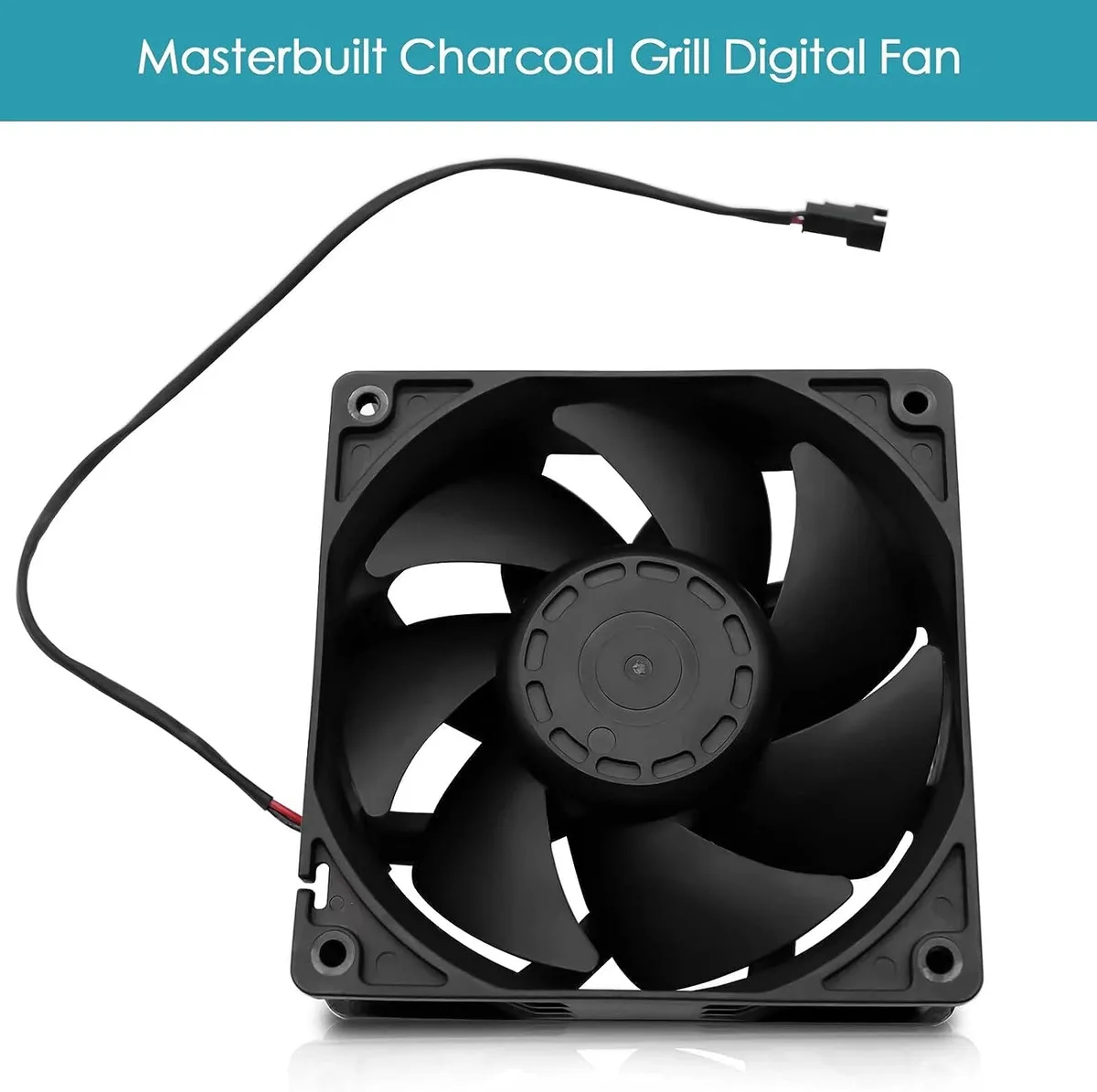
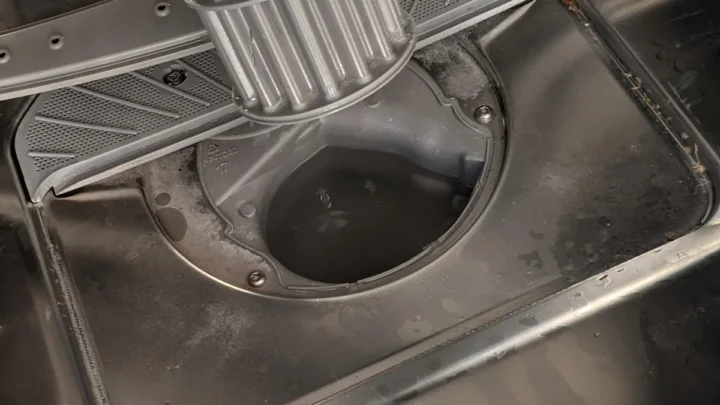
Image source: Bing (Web (fair-use with source credit))
Quick Answer: Why Your Masterbuilt Fan Stopped (And What It Usually Costs)
Three things cause almost every fan failure. A blown thermal fuse, a dead motor, or a stuck fan blade. The thermal fuse is the most common culprit.
It is a small safety component rated to cut power at 250°F (121°C). If your smoker ever overshot temperature, the fuse blew to prevent a fire.
A replacement thermal fuse costs about $5 and takes 20 minutes to install. A new fan motor runs $15 to $40. If the controller board failed, a replacement board is around $60 to $80.
Most people can fix the fan themselves with basic tools and a multimeter.
| Symptom | Likely Cause | Parts Cost | Time to Fix |
|---|---|---|---|
| Completely dead fan | Thermal fuse blown | $5 | 20 min |
| Fan hums but won't spin | Blade stuck or motor seized | $15–$40 | 30 min |
| Fan runs intermittently | Loose wire or bad relay | $0–$60 | 10–40 min |
| Fan runs constantly | Stuck relay on controller | $60–$80 | 30 min |
Before You Take Anything Apart: How the 12V Fan System Actually Works
Understanding the system helps you diagnose smarter. The fan is not a standalone component. It is wired into a control board that receives temperature readings from a probe.
When the smoker's internal temp drops below your set point, the controller sends 12V DC to the fan. The fan spins, pulls oxygen into the firebox, and the charcoal burns hotter. Once the temp comes back up, the controller cuts power.
The Fan's Job in a Gravity Series Smoker
In Gravity Series models, the fan sits beneath the firebox. It is a small axial fan, usually 80mm or 100mm in diameter. The fan pulls air from the room and pushes it straight into the bottom of the charcoal pile.
Without that forced airflow, charcoal cannot sustain a clean burn. The fire smolders, produces thick white smoke, and the smoker never reaches target temp.
The fan also handles rapid temperature recovery. Open the lid to spritz your brisket and the temp drops 50°F in seconds. A working fan brings it back within a couple of minutes.
A dead fan means that drop stays for a long time.
Why a Seemingly Fine Fan Can Still Fail
A fan that spins freely in your hand is not always good. The motor windings can break internally without any visible damage. A motor that shows full continuity might still have shorted turns that cause it to run slowly.
A blade that spins smoothly by hand can bind under load because of worn bearings.
Thermal fuses are another hidden trap. They can blow from a single temperature spike even if the smoker seems to work afterward. The fuse sits inside the control box, out of sight.
You will not know it is dead until the fan refuses to spin. That is why the first step in any fan troubleshooting flow should be checking that fuse with a multimeter.
The 5-Minute Diagnostic: Simple Checks Before You Open Anything
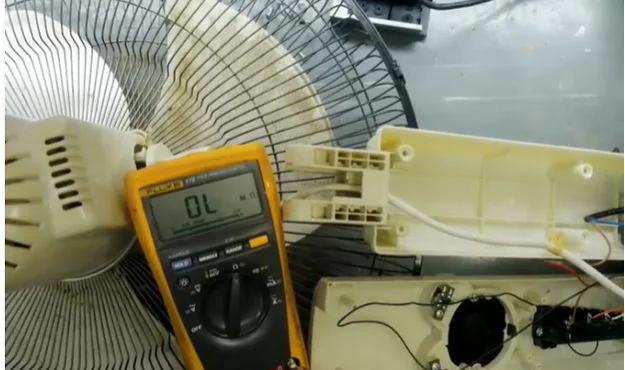
Image source: Bing (Web (fair-use with source credit))
You need a multimeter, a screwdriver, and a few minutes. Do not skip these checks. They eliminate the most obvious problems and save you from tearing apart the smoker for nothing.
Check the Power Chain First
Start at the wall outlet. Plug a lamp or your phone charger into the same outlet and confirm it works. If you are using an extension cord, try plugging the smoker directly into the wall.
Long extension cords with small gauge wire can drop voltage below 12V. The fan will not spin even if everything else seems normal.
Next, check the smoker's control board for power. Look at the digital display. Does it light up?
Can you change the temperature? If the controller is dead, the fan will not get any signal. A dead controller usually points to a blown internal fuse on the board itself.
That is a separate fix. If the display works but the fan does not, move to the next step.
Listen and Look Before You Disassemble
Turn on the smoker and set the temp 50°F above ambient. Wait 30 seconds. Put your ear near the fan housing.
Do you hear a faint hum? That hum means the controller sent power, but the motor is stuck or the blade is blocked. No sound at all means no power is reaching the fan.
Look at the thermal fuse. On most Masterbuilt models, it is a small white or clear plastic rectangle with two wires coming out. It is mounted on the side of the controller box or inline with the fan wiring.
It should be closed to continuity when cold. Set your multimeter to continuity mode and touch the probes to each end. No beep means the fuse is blown.
That is your problem.
Symptom-Based Repair Flow: What Your Fan Is Trying to Tell You
The fan's behavior is your best diagnostic clue. Match your symptom to the right branch and follow the steps. This saves time and prevents unnecessary part swapping.
Branch 1: Fan Completely Dead. No Sound. No Spin.
This is the easiest fix most of the time. Power off and unplug the smoker. Open the control box cover.
Locate the thermal fuse. Test it with a multimeter. If it is open, replace it with a new one of the same rating (usually 250°F, 10A).
Do not use a higher-temperature fuse. It is a safety device, not a performance upgrade.
If the fuse is good, test for 12V at the fan connector while the smoker is calling for heat. Set your multimeter to DC volts. Place the red probe on the positive terminal and black on ground.
Ask a helper to turn the smoker on and set a temperature 50°F above ambient. If you see 12V, the controller is working. The fan motor is dead.
Replace the fan assembly.
Branch 2: Fan Spins but Makes Noise or Grinds
Stick a toothpick or a small tool into the fan blade (with the smoker off and unplugged). Gently try to spin the blade by hand. Does it feel rough or catch in one spot?
That is a seized bearing. The motor is shot. Replace the fan.
If the blade spins freely but still makes noise, check the blade for warping. Heat can warp plastic blades. Shine a flashlight from the side and look for wobble.
Plastic blades that have deformed should be replaced with an OEM or compatible metal-blade fan if available. Metal blades last longer but are less common in retrofit.
Branch 3: Fan Runs Constantly or Won't Shut Off
This symptom usually means the relay on the control board is stuck closed. The controller keeps sending power even after the target temp is reached. Unplug the smoker for 30 seconds and plug it back in.
If the fan resets and behaves normally, you might have had a temporary glitch. If the fan still runs full speed no matter the setting, the board needs replacing.
A secondary cause is a defective temperature probe. If the probe reads low, the controller thinks the smoker is cold and keeps the fan on. You can test the probe with a multimeter in resistance mode and compare to the factory spec for your model.
Masterbuilt specs are available in the manual.
Branch 4: Fan Works at Start but Dies Mid-Cook
This points to overheating, not a defective fan. The fan motor heats up inside the smoker's enclosure. If the ambient temperature around the fan exceeds its rating, the motor's internal thermal protector kicks in.
The fan stops, cools off, then starts again. That cycling ruins temperature consistency.
The fix is better airflow around the fan housing. Make sure the smoker's ventilation grills are not blocked. In extreme cases, adding a small external fan to blow air across the motor area can help.
If you cook in very hot weather, expect more mid-cook stalls.
Safety First: Electrical Risks and Fire Hazards You Can't Ignore
Working inside a smoker's electrical box is not dangerous if you follow basic rules. But the stakes are real. A short circuit can start a grease fire that spreads fast.
Your safety matters more than fixing the fan quickly.
The Thermal Fuse and Why You Should Never Bypass It Permanently
Image source: Bing (Web (fair-use with source credit))
The thermal fuse is your last line of defense. If the charcoal runs away and the firebox gets hotter than 250°F, the fuse cuts power to the fan. Without that, the fan continues feeding oxygen and the fire gets hotter.
That is how smoker fires start. Do not bypass the fuse with a wire or a jumper. Never use a fuse with a higher temperature rating.
If your fan keeps blowing fuses, fix the root cause instead of overriding the protection.
UL (Underwriters Laboratories) standards for electric smokers mandate thermal cutoff protection in the fan circuit. Per UL testing, a permanently bypassed fuse significantly increases the risk of an uncontrolled temperature excursion. Treat it as a non-negotiable safety component.
Safe Disassembly and Testing Practices
Always unplug the smoker before opening any electrical enclosure. Wait five minutes after unplugging to let capacitors discharge. Use insulated tools.
Do not spray water or cleaner inside the control box. Moisture causes corrosion and intermittent shorts.
When testing with a multimeter, keep your hands dry and steady. If you do not own a multimeter or do not feel comfortable using one, buy a cheap one and watch a two-minute how-to video. It is a skill that pays for itself the first time you diagnose a $5 fuse instead of replacing an entire smoker.
If the smoker is still under warranty, contact Masterbuilt customer support before disassembling. Some warranty policies require repairs to be done by an authorized service center. Check your manual or the Masterbuilt support page.
Common Mistakes to Avoid: Don't Make These 7 Errors
Most fan failures are straightforward to fix. But people make the same mistakes over and over. These errors turn a 20-minute repair into a ruined weekend cook or a damaged control board.
The Wrong Way to Clean a Fan Motor
Water and electronics never mix. A third of fan failures happen right after someone cleaned their smoker. People spray the interior with a hose or pressure washer.
Water runs down into the fan housing and the control box. The motor shorts out. The fuse blows.
The right way is simple. Remove the fan assembly before cleaning. Use a dry brush or compressed air to dislodge grease and ash.
If the blade is caked, wipe it with a barely damp cloth and dry it immediately. Never submerge the motor. Never spray anything into the fan opening.
If you already got water in the fan, unplug the smoker immediately. Let the fan dry for 48 hours in a warm, dry place. Do not power it back on until you are certain it is bone dry.
Why "It Still Blows Smoke" Isn't Good Enough
A fan that barely spins can still move some air. You might see thin smoke coming from the exhaust and assume everything is fine. That is a trap.
A weak fan cannot supply enough oxygen for clean combustion. Your charcoal smolders instead of burns. The fire produces creosote.
That creosote coats your food with a bitter, acrid taste.
A season of poor airflow can coat your smoker's interior with a layer of flammable grease and tar. That buildup is a fire hazard. If your fan sounds weak, runs slowly, or takes five minutes to get the smoker up to temp, replace it.
| Common Mistake | What Actually Happens | The Right Fix |
|---|---|---|
| Water cleaning | Motor shorts, fuse blows | Dry brush or compressed air only |
| Ignoring slow fan | Creosote buildup, bad taste | Replace fan immediately |
| Bypassing thermal fuse | Fire risk from runaway temp | Replace fuse with same rating |
| Using wrong fuse rating | Fuse blows too fast or not at all | Match OEM spec: 250°F, 10A |
| Overtightening screws | Cracks plastic fan housing | Hand-tighten only |
| Forgetting to re-grease bearings | Grinding noise, early failure | Apply high-temp grease yearly |
| Storing smoker wet | Corrosion on fan contacts | Dry thoroughly before storage |
Maintenance and Long-Term Fixes: Keep Your Fan Spinning for Years
A Masterbuilt fan is not a set-it-and-forget-it component. It lives in a harsh environment. Heat, grease, and ash attack the motor and wiring over time.
A few minutes of preventive care each season can double the fan's lifespan.
Seasonal Storage Tips for Humid and Cold Climates
Humidity is the silent killer of small motors. Moisture in the air condenses inside the fan housing overnight. The bearings rust.
The windings corrode. By spring, the fan either hums without spinning or does not work at all.
Store your smoker indoors during the off-season if possible. A garage or shed is fine. If you must leave it outside, buy a tight-fitting cover that reaches the ground.
Leave the vents slightly open so air circulates. Sealing a damp smoker under a tarp traps moisture and accelerates corrosion.
Cold weather brings a different problem. The grease inside fan bearings thickens at low temperatures. Your fan may struggle to start on a 30°F morning.
Let the smoker warm up for 15 minutes before expecting the fan to run at full speed. If you cook in winter, consider bringing the fan assembly inside overnight and reinstalling it before your cook.
Simple Upgrades That Extend Fan Life
The stock fan on most Masterbuilt Gravity Series smokers uses a plastic blade and sealed bearings. Plastic warps over time from heat cycles. Sealed bearings cannot be re-greased.
When they dry out, the fan is done.
A small upgrade makes a big difference. Replace the stock fan with one that has a metal blade and replaceable bearings. These cost about $25.
They handle higher temperatures and last much longer. Look for a fan with a metal frame and an IP54 or higher dust and moisture rating. Those ratings mean the motor is protected against the ash and grease that destroy standard fans.
Another cheap fix is adding a fan guard. Masterbuilt does not include one from the factory. A simple wire guard over the intake keeps large ash chunks and charcoal bits from jamming the blade.
You can find universal 80mm or 100mm guards online for a few dollars. It is a 30-second install that prevents one of the most common failure modes.
Frequently Asked Questions
Can I use a generic 12V computer fan as a replacement?
Sometimes, but it is risky. Computer fans are designed for ambient temperatures under 100°F. Your smoker's fan area can reach 180°F or higher.
A standard PC fan will fail quickly. If you must use a generic fan, look for one rated for at least 200°F and match the CFM rating of the original. Even then, a purpose-built smoker fan is better.
How do I reset the Masterbuilt controller after a fault?
Unplug the smoker from the wall. Wait 30 seconds. Plug it back in.
That power cycle clears most fault codes. If the fan still does not work after a reset, you have a hardware problem. Check the thermal fuse, the fan motor, or the controller relay.
Why does my fan work in a warm garage but fail in cold weather?
Cold temperatures thicken the bearing grease. The motor cannot overcome the added resistance until it warms up. Pre-warm the smoker by running it for 15 minutes at a low temperature before expecting the fan to work normally.
If the fan consistently fails below 40°F, store the fan assembly indoors during winter.
Can I replace just the fan motor or do I need the whole assembly?
Most Masterbuilt fans use a sealed motor that cannot be serviced separately. You replace the entire fan unit. The good news is it is usually a plug-and-play swap.
Two screws and a wiring connector. About five minutes of work.
How do I know if my controller board is bad instead of the fan?
Set your multimeter to DC volts. Probe the fan connector while the smoker is on and calling for heat. If you see 12V but the fan does not spin, the fan is bad.
If you see zero volts, the controller is not sending power. That points to a bad board or a blown thermal fuse upstream.
What does a blown thermal fuse look like?
You cannot always see the damage. A thermal fuse is a sealed component. The only reliable test is a continuity check with a multimeter.
A working fuse shows nearly zero resistance. A blown fuse shows infinite resistance. Visual inspection alone is not enough.
Final Decision Guide: Fix It, Replace It, or Upgrade It
You have done the diagnosis. You know which part failed. Now comes the choice.
The right decision depends on your comfort level, the age of your smoker, and how much you cook.
When Repair Makes Sense
Repair is the smart choice if the smoker is less than three years old and the failure is simple. A blown thermal fuse costs $5 and takes 20 minutes. A stuck blade you can free with a screwdriver costs nothing.
Even a dead fan motor is a straightforward swap at $15 to $40. If you can hold a screwdriver and follow a video, you can fix any of those.
Repair also makes sense if you have sentimental attachment to your smoker. Maybe it is the one that taught you how to cook brisket. A new fan and a fresh thermal fuse will give it years more life.
When It Is Time for a New Fan or Controller
Replace the fan if the motor is dead and the replacement cost is under $40. Replace the controller board if the relay is stuck or the board is visibly damaged. Both are DIY-friendly jobs.
The parts are available from Masterbuilt directly or through online parts retailers. Check your model number before ordering.
Replace the entire smoker if the controller board is discontinued or the smoker is over five years old with rust in the firebox. A new Gravity Series unit costs $400 to $700. That includes a warranty, updated electronics, and a clean cooking chamber.
Spending $80 on a discontinued board for a rusted smoker does not make financial sense.
The Bottom Line on Keeping Your Masterbuilt Running Right
A Masterbuilt fan not working is almost always fixable. The thermal fuse is the first thing to check. The fan motor is the second.
The controller board is the third. You can diagnose all three in under 15 minutes with a $20 multimeter.
Preventive maintenance doubles the fan's lifespan. Store your smoker dry. Clean with compressed air, not water.
Replace the fan every two or three years as a proactive step. That way, the next time you load up the hopper and set the temp, the fan spins on command and your cook goes exactly as planned.

Similar Posts