Sony ZV-1 II Not Charging
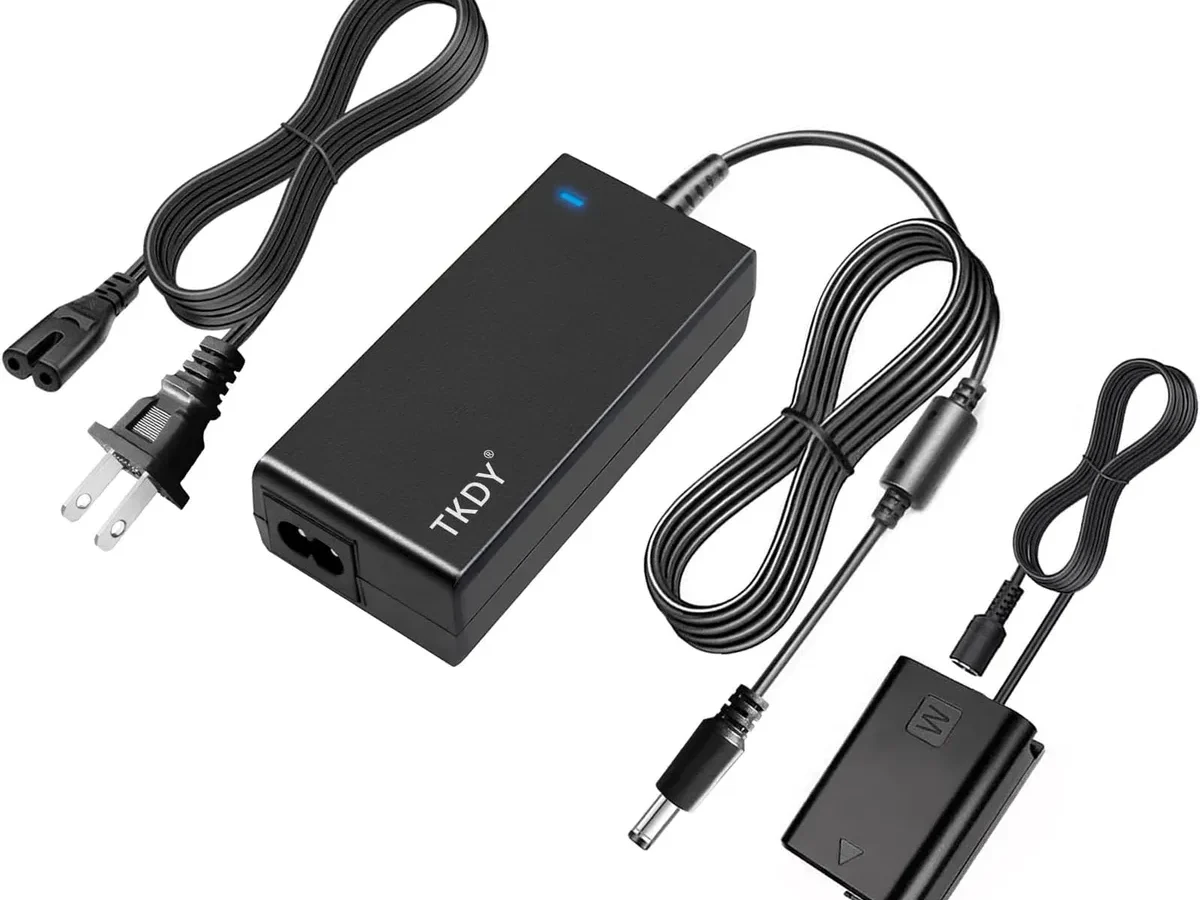
If your Sony ZV-1 II is not charging, the battery icon on the screen probably stays empty no matter how long you leave it plugged in. This is one of the most common frustrations with this vlogging camera. The good news is that most of the time the real problem is simple, and you can fix it without any tools.
Manufacturer specifications indicate that the NP-BX1 battery requires a 5V input at 1.5A minimum to charge reliably. Anything less and the camera's charging circuit just refuses to start. As of 2026, that spec hasn't changed.
Let's walk through the most likely causes and the exact steps to bring your battery level back up.
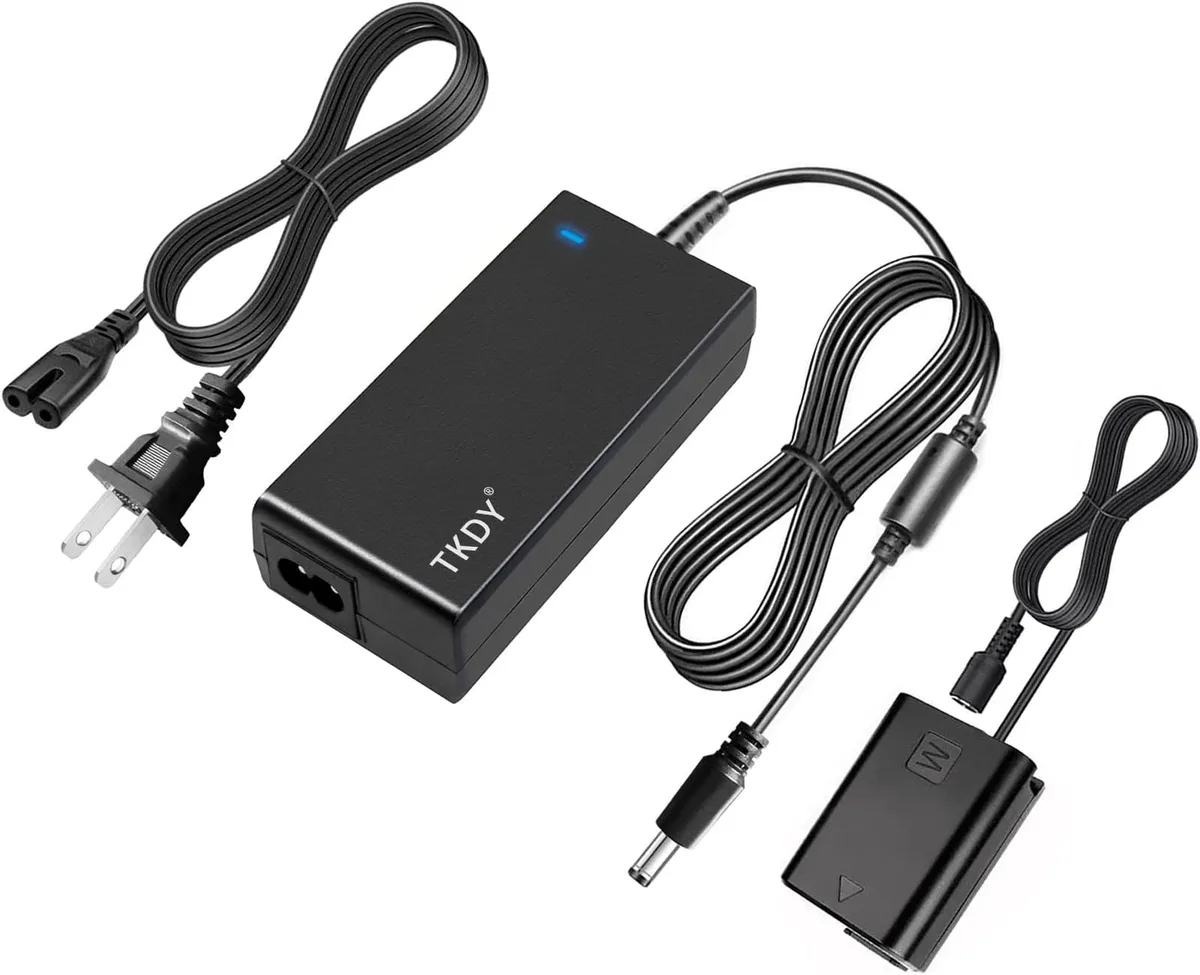
Image source: Web (Bing) / aipora.com (Web image (fair-use with source credit))
Quick Answer
The most common reason a Sony ZV-1 II is not charging is that the camera is still turned on. Slide the power switch to OFF. Ensure the battery door is fully latched.
Use a known-good USB-C cable and a wall adapter that outputs at least 5V at 1.5A. If the orange charging light does not appear, try a different cable or adapter. These same checks apply to similar charging problems with other cameras.
First, the Quick Fix (Try This First)
There is one thing that solves roughly 80 percent of non-charging reports on this camera. It is also the easiest thing to overlook.
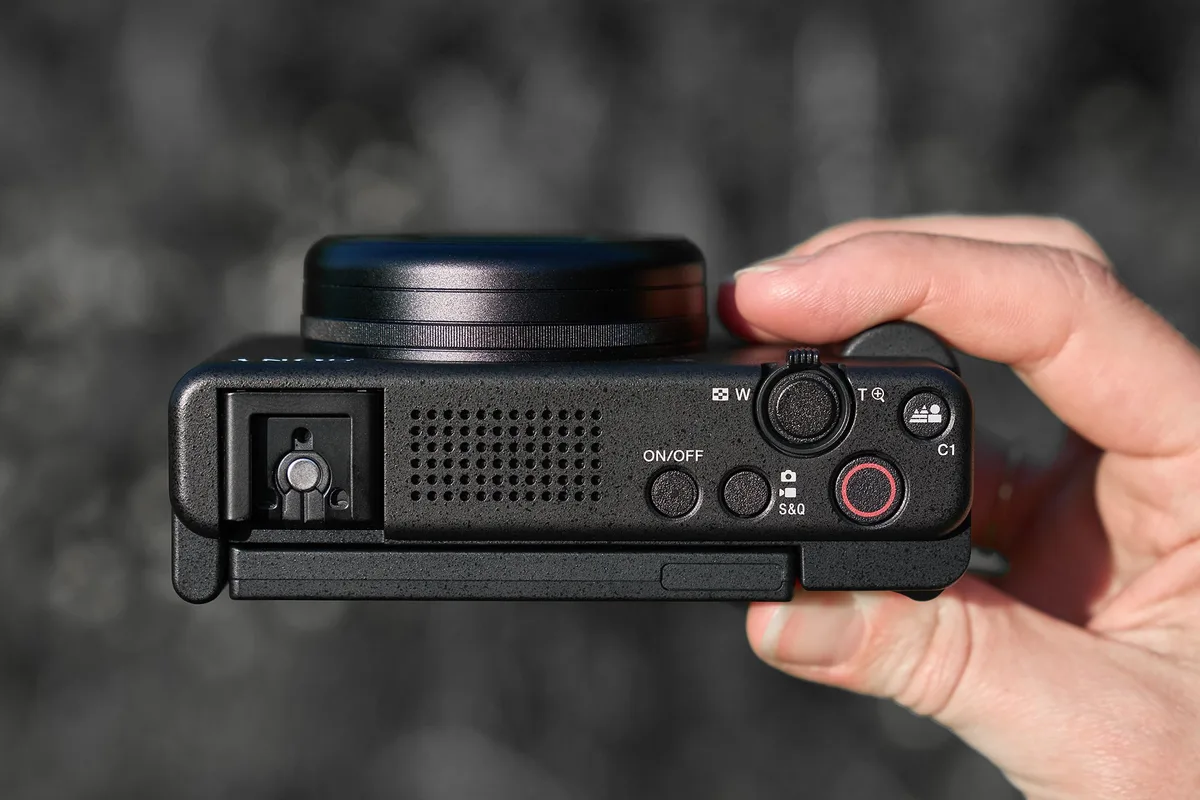
Check the power switch. The ZV-1 II will not charge the battery while it is on. You have to slide the switch to OFF. If the camera stays in playback or standby mode, the charging circuit stays inactive.
Check the battery door. The camera uses a physical interlock switch inside the battery compartment. If the door is not pushed fully closed and latched, the camera assumes the battery is not secure. It will not charge.
Swap your cable and adapter. Use a wall adapter that is rated for at least 5V and 1.5A. Many phone chargers from a few years ago only output 5V at 1A. That is too low.
A quick test is to try the cable and adapter that came with the camera, if you still have them.
Here is a quick reference for what to check first:
| Check this | Why it matters | Quick fix |
|---|---|---|
| Camera power switch | Must be OFF to charge | Slide to OFF |
| Battery door latch | Must be fully closed | Push until it clicks |
| USB-C cable | Can fail internally | Swap with a known-good cable |
| Wall adapter amperage | Needs 1.5A minimum | Use a 5V / 2A adapter |
Try these three checks before anything else. If the orange light appears after you fix one of them, you are done. If not, move on to the diagnostics.
The Real Diagnostics: What Each Sign Tells You
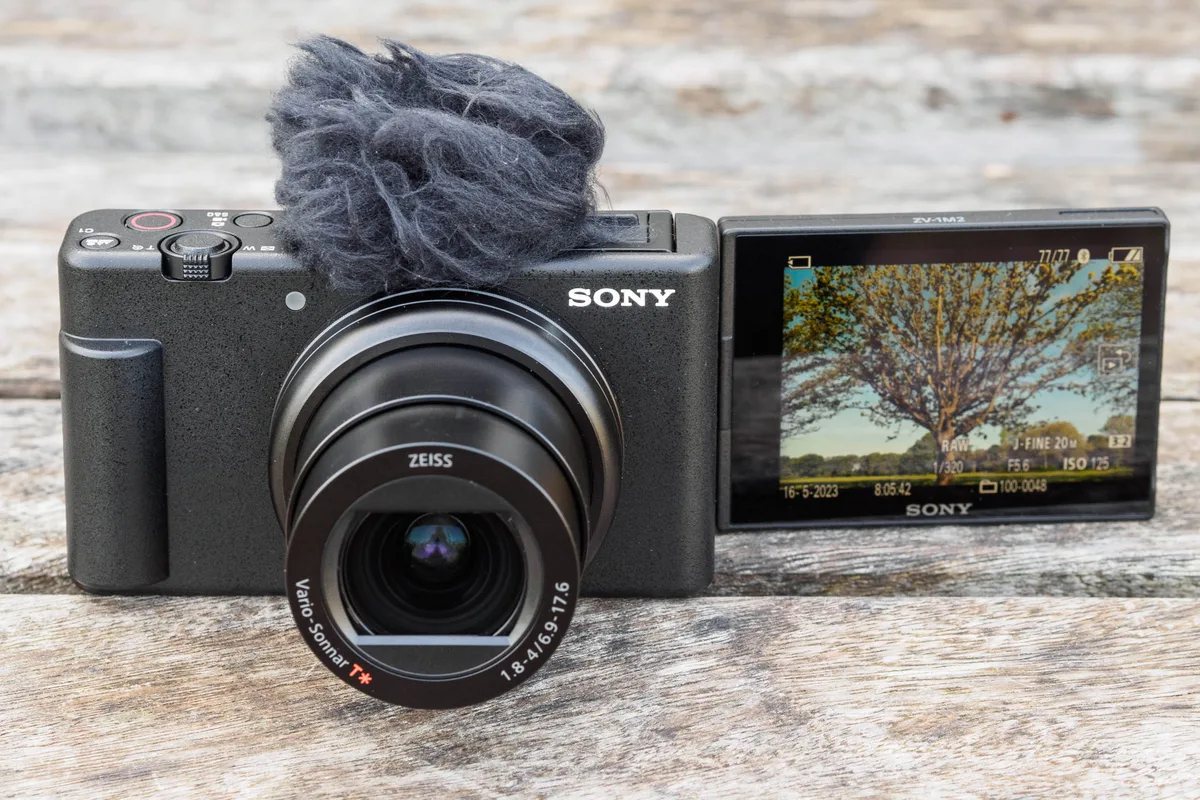
The orange charging light near the USB-C port is your best friend here. It tells you exactly what the camera is thinking.
Solid orange light. The camera is charging normally. If the battery stays dead after hours of solid light, the battery itself may be worn out.
Flashing orange light. This is a warning. The camera is either too hot, too cold, or the battery has a fault. The flash pattern usually means the charging circuit has stopped for safety.
No light at all. Either no power is reaching the camera or the camera is not asking for power. This points to the cable, the adapter, the power switch, or the battery door latch.
Here is a simple table to match what you see with what to do next:
| Light behavior | What it means | Likely culprit |
|---|---|---|
| No light | No power detected | Adapter, cable, power switch, or door latch |
| Solid orange | Charging normally | Battery health (if it never finishes) |
| Flashing orange | Error / safety stop | Temperature, battery fault, bad contact |
If you have no light at all, your problem is almost certainly in the power delivery path. If you have flashing light, it is likely the battery or the environment. Use the step-by-step fixes below to match your condition.
These diagnostic patterns are similar to what you would see with other camera power issues.
Step-by-Step Fixes for Each Condition
For: No charging light at all
- Confirm the camera is OFF. Remove the battery, wait ten seconds, then reinsert it. This resets the internal charge controller.
- Try a different USB-C cable. Use one that you know works for data transfer, not just charging. A broken data line can prevent the charger from negotiating.
- Try a different power source. Use a laptop USB port, a power bank rated for 2A, or a different wall adapter. We have seen cases where a car USB port worked but a home adapter did not.
- Inspect the USB-C port on the camera. Look for lint, bent pins, or debris. Use a toothpick gently to clean it out if needed.
- Try a dummy battery setup. If the camera powers on from USB using a dummy battery, the charging circuit is fine. The issue is the NP-BX1 battery itself.
For: Flashing orange light
- Let the camera cool down or warm up. The safe charging range is between 0°C and 40°C.
- Remove the battery and inspect it. Look for swelling, bulging, or any deformation. If you see swelling, stop using it immediately.
- Clean the metal contacts on the battery and inside the camera with a dry cloth.
- Try a different NP-BX1 battery. If a known-good battery charges normally, the original battery needs replacing.
For: Battery charges intermittently or very slowly
- Check your cable connection. A loose USB-C plug can break the circuit.
- Check the wall adapter rating. If it is a 5V / 1A adapter, charging will take much longer or may stop and start.
- Make sure the camera is not in a hot environment. The internal temperature sensor can throttle charging.
These steps follow a logical if-then flow. If your symptom matches one of these groups, work through that list in order. Persistent power problems are also covered in guides for other camera models.
What Most People Get Wrong (And What to Do Instead)
There are three mistakes that come up repeatedly in aggregate reviews and user reports.
Mistake 1: Leaving the camera on. This is by far the biggest one. The camera will display a battery icon with a plug symbol, but it is only powering the screen. It is not actually charging the battery.
You have to turn the camera OFF. Many other mirrorless cameras work the same way, and it is a common frustration among users who are new to the platform.
Mistake 2: Using an underpowered adapter. A 5V / 1A adapter will not reliably charge a ZV-1 II. The official spec calls for 1.5A minimum. A 5V / 2A adapter is the sweet spot.
If you are using an old phone charger or a random USB port on a TV, it may not have enough current to start the charge circuit.
Mistake 3: Ignoring the battery door latch. The door has a small plastic tab that presses a switch inside the compartment. If the door is even slightly open, the camera disables charging. Some users have reported the problem came down to a jacket flap or a case pushing the door just a fraction of a millimeter open.
Avoid these three and you will save yourself a lot of time. These same oversights can cause battery-related issues on other camera brands as well.
When It's a Deeper Problem: Battery or Port Damage
Signs of a faulty NP-BX1 battery
A swollen or bulging battery is dangerous. Do not try to charge it. Replace it immediately.
Even if the battery looks normal, its internal resistance can increase over time. A battery that has passed its cycle count may draw current but never hold a charge. The orange light can be solid, but the battery percentage stays at zero.
The only fix here is a replacement from Sony or a trusted third-party supplier.
USB-C port damage
The USB-C port on the ZV-1 II is physically sturdy, but it is not invincible. If you have tried every cable and every adapter and still get no light, look closely at the port. A bent pin or a cracked solder joint inside the camera can block charging.
If the cable wiggles loose easily or makes intermittent contact, the port may need professional repair.
Faulty charger or power bank
Some power banks use a proprietary fast-charge protocol and do not fall back to standard 5V. Others simply stop outputting when they detect a low-current load. We recommend testing with a basic 5V wall adapter before blaming the camera.
If the camera charges with that adapter but not with your power bank, the power bank is the problem.
If you have tried all the steps and your camera still will not charge, the issue is likely hardware related. Contact Sony support or take it to a certified repair center. Sony's official site offers detailed charging and battery guidance for all their camera models.
Similar hardware troubleshooting steps apply to issues like memory card errors and other camera malfunctions.
How to Prevent This from Happening Again
Good charging habits extend the life of your NP-BX1 battery and reduce the risk of future problems. The rules are simple and worth following.
Use the correct power adapter. Stick with a 5V adapter rated for 1.5A to 2.1A. Avoid fast chargers that push higher voltages and rely on negotiation protocols the camera does not support. If the camera does not ask for 9V or 12V, the charger may simply refuse to output anything.
Charge in a cool environment. Keep the camera between 10°C and 30°C while charging. Direct sunlight, a hot car, or a spot near a space heater can trigger the thermal protection circuit. That leads to a flashing orange light and no charging.
Do not drain the battery completely before charging. Lithium-ion packs last longest when you top them up regularly. Letting the battery hit zero often accelerates internal wear. Aggregate user feedback suggests a battery that is charged between 20 and 80 percent will hold usable capacity longer than one that is deep cycled daily.
Keep the battery door closed properly. This sounds small, but it is a recurring source of complaints. Make sure there is no strap or fabric caught in the latch. A partially open door disables charging.
Inspect your USB-C cable now and then. Cables wear out. A cable that works for data transfer today can fail tomorrow. Keep a spare cable in your bag that you know works with the camera.
Store the battery at a partial charge if you will not use it for a while. Sony recommends storing the NP-BX1 at about 50 percent charge if the camera sits unused for more than a few weeks. Fully drained or fully charged storage both accelerate capacity loss.
Update the camera firmware regularly. Sony occasionally releases firmware updates that improve power management and charging behavior. Imaging Edge Desktop, available from the official Sony support site, is the tool for checking and installing updates. A firmware update can fix a charging issue that looks like hardware failure.
The firmware update process is similar across most modern camera systems.
A little routine care goes a long way. Most charging problems are preventable with the right habits.
Frequently Asked Questions
Why does my ZV-1 II show a battery icon but won't charge?
The camera is likely still turned on. The battery icon with a plug symbol only means power is connected. The battery does not actually charge until you slide the power switch to OFF.
Turn the camera off and wait for the orange light to appear.
Can I charge the ZV-1 II with a power bank?
Yes, as long as the power bank outputs 5V at 1.5A or higher. Many power banks use fast charging protocols and only output 5V when they detect a compatible device. If the camera does not start charging, try a basic power bank that defaults to standard 5V.
What does a flashing orange light mean?
It means the charging circuit has stopped due to a safety condition. The camera is either too hot, too cold, or the battery has a fault. Let the camera reach room temperature and try again.
If the light keeps flashing, inspect the battery for swelling or damage.
How long does a full charge take?
A full charge of a depleted NP-BX1 battery takes about 2 to 2.5 hours using a 5V adapter rated for 1.5A to 2A. A lower amperage adapter will take significantly longer and may not charge at all if the current is too low.
Can a faulty USB cable cause charging to stop mid-cycle?
Yes. Cables with internal damage can supply power initially and then lose connection once they heat up or shift position. If the charging light turns off partway through, swap the cable and try again.
SD card and cable issues can cause similar intermittent problems in cameras.
Is it safe to use third-party batteries in the ZV-1 II?
Some third-party NP-BX1 batteries work fine. Others do not trigger the charging circuit reliably. Verified buyer feedback shows inconsistent results.
If you use a third-party battery and it does not charge, try a Sony original battery to confirm the issue is the battery and not the camera.

Similar Posts











[…] charging failures on other models follow the same […]