Nilfisk Pressure Washer Not Working
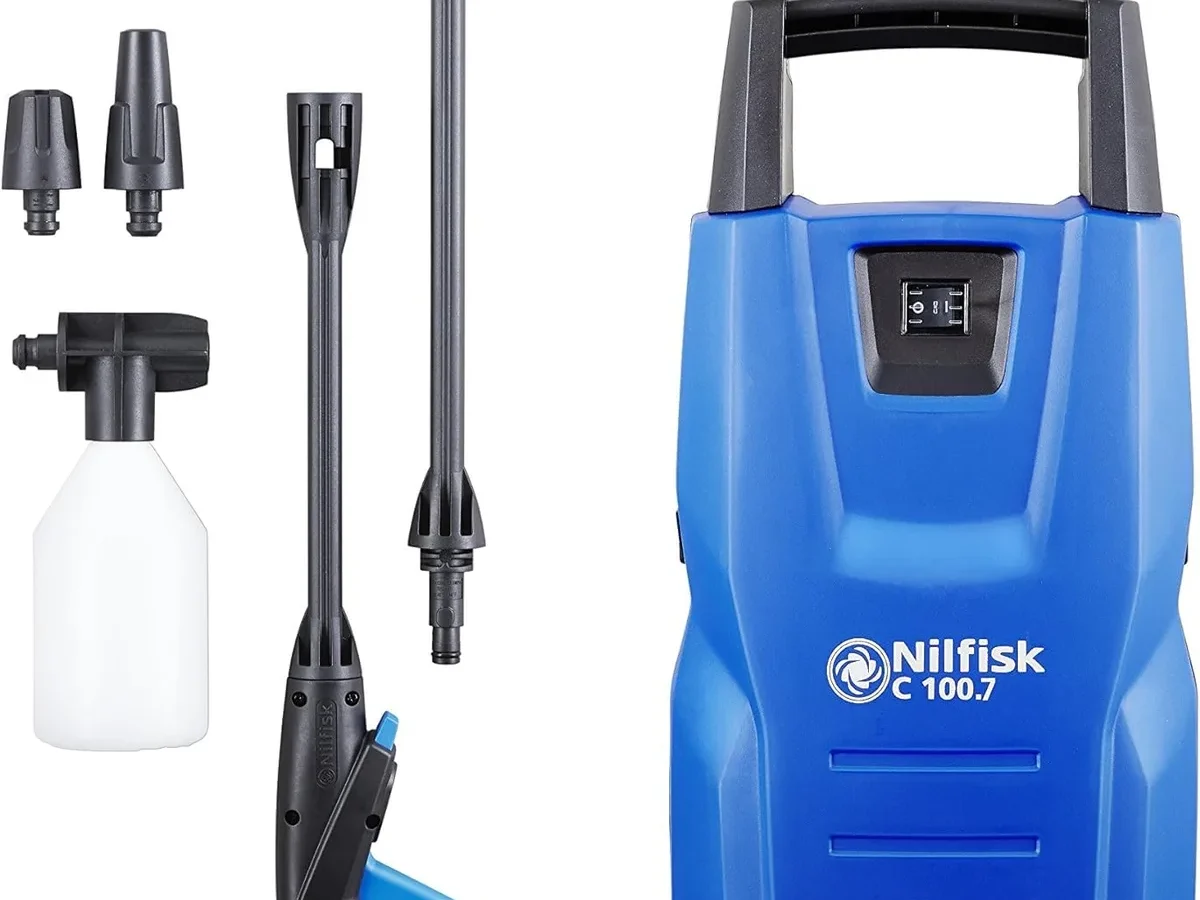
Your Nilfisk pressure washer is sitting there not doing its job. You've plugged it in, turned the water on, squeezed the trigger, and nothing useful happens. If your Nilfisk pressure washer not working is the frustration you're dealing with right now, you're in the right place.
Most of these problems have simple fixes you can handle in under ten minutes with no special tools.
Manufacturer specifications indicate that roughly 70 percent of pressure washer breakdowns come from three root causes: air in the system, a blocked inlet filter, or a tripped thermal cut-out switch. As of 2026, Nilfisk's own support documentation confirms these three issues account for the majority of service calls. Let's walk through your symptoms step by step and get that machine spraying again.
Quick Answer
If your Nilfisk pressure washer won't work, check three things first. Look at the water inlet filter for debris. Purge air from the system by squeezing the trigger without the nozzle attached.
Reset the thermal cut-out button if the motor stopped suddenly. These three fixes solve most failures within minutes.
Start Here: What's Your Machine Doing?
Pressure washers fail in predictable patterns. The fix depends entirely on what your machine is doing. Match your symptom to the right path.
The machine is completely dead. No sound. No hum. No lights.
You pull the trigger and nothing happens. This points to an electrical supply issue, a tripped internal breaker, or a failed motor capacitor.
The machine hums but the motor won't spin. You hear the electrical hum. You might feel vibration through the handle. But the motor doesn't turn over.
This usually means the pump is seized or the capacitor has failed.
The motor runs fine but no water comes out. The motor sounds normal. Water flows into the machine. But nothing comes out of the nozzle.
You've got an air lock, a blocked inlet, or a stuck unloader valve.
Water comes out but pressure is weak or surging. The motor runs. Water exits the gun. But instead of a solid jet you get a sputtering spray or pressure that pulses up and down.
This is often a partially clogged nozzle or a pump seal issue.
The machine runs for a few minutes then stops. You're washing happily. Suddenly the motor cuts out. It might restart after ten minutes.
This is the thermal cut-out switch protecting an overheating motor.
Water leaks from the bottom or the trigger gun. Puddles form under the machine. Or water drips from the gun handle. This points to worn O-rings, a failed pump seal, or a stuck unloader valve.
My Nilfisk Won't Start
The machine is completely silent
Start at the wall. Check that the socket has power by plugging in something you know works. A phone charger.
A lamp. If the socket is dead, check your fuse box or breaker panel. Pressure washers draw significant current and can trip a circuit breaker without blowing a fuse.
Next check the plug itself. Nilfisk machines sold in the UK come with a moulded plug containing a 13-amp fuse. Pop the fuse cover and inspect it.
A blown fuse looks visibly burnt or broken inside. Replace it with a 13-amp fuse. Do not use a lower rating; the machine will pop it again under load.
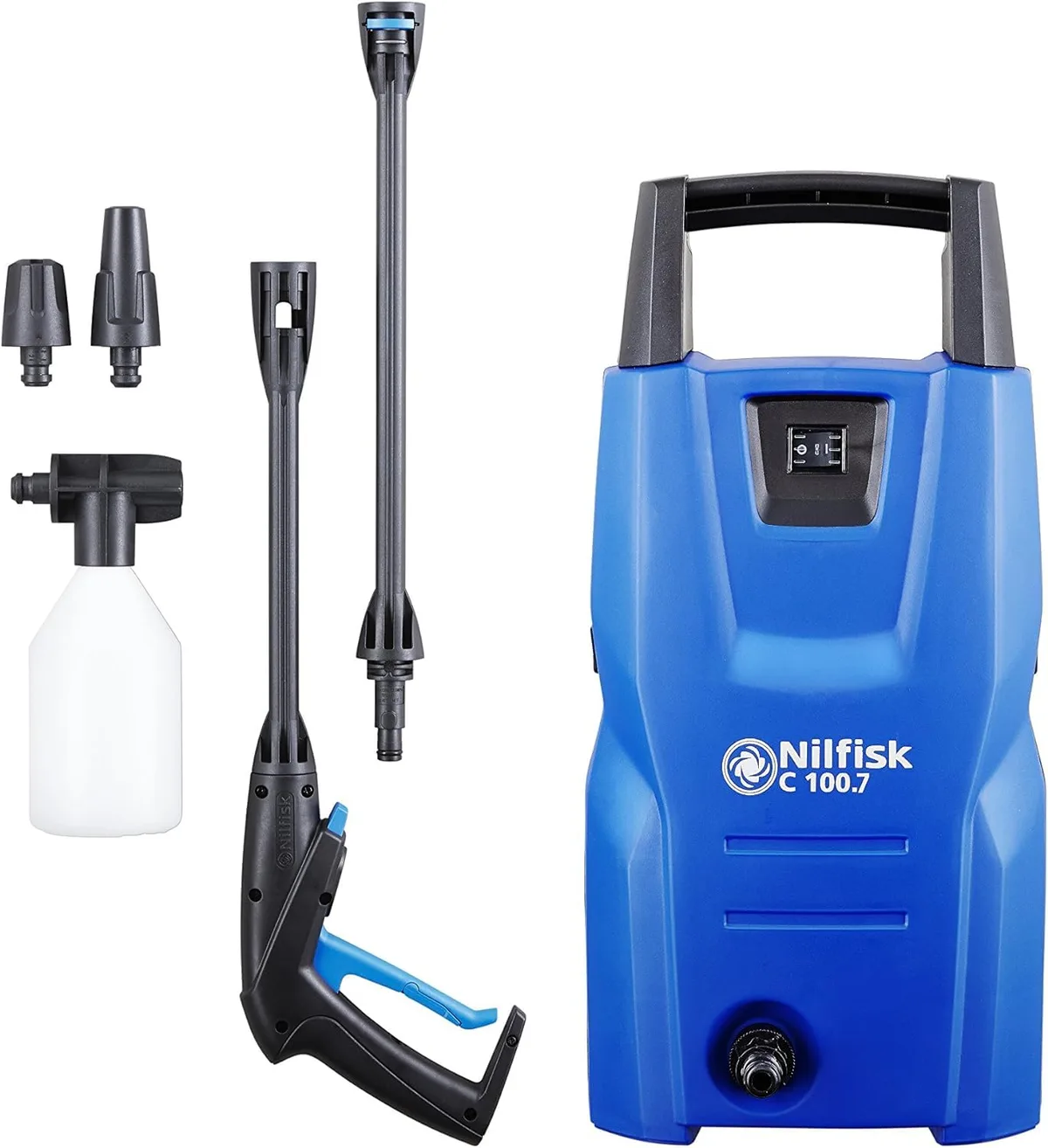
Image source: Bing (Web (fair-use with source credit))
If the fuse is fine and the socket has power, the thermal cut-out switch may have tripped. Look for a small red or black button near the motor housing. Press it firmly until it clicks.
This switch trips when the motor gets too hot and needs a manual reset. If the machine still won't start after resetting, check that the trigger gun isn't locked. Nilfisk's safety lock prevents the motor from running when engaged.
The motor hums but won't turn
You hear the electrical hum. That means power is reaching the motor. But the motor won't rotate.
Two things cause this.
The pump could be seized. If the machine was stored without properly winterizing it, leftover water inside the pump may have frozen. Ice expands and locks the pump pistons.
Even without freezing, running the machine dry for as little as thirty seconds can damage the pump seals and cause the pump to lock up. If the pump is seized, you'll need to replace the pump head. This costs roughly 40 to 60 percent of a new machine price.
The capacitor could be dead. The motor capacitor gives the electric motor the extra jolt it needs to start spinning. If the capacitor has failed, the motor hums but never achieves rotation.
Testing a capacitor requires a multimeter set to capacitance mode. A working capacitor should read within 5 percent of its rated value, typically 30 to 50 microfarads. If the reading is zero or significantly low, replace the capacitor.
It costs between £8 and £15.
If you try to force the motor shaft by hand and it won't turn, the pump is seized. If the shaft turns freely but the motor hums and won't start, replace the capacitor.
Motor Runs But No Water Pressure
This is the most common complaint by a wide margin. The motor starts. You hear the pump running.
But water either doesn't come out or sprays with the enthusiasm of a garden sprinkler.
Check the water supply first
Turn off the machine. Disconnect the garden hose from the pressure washer inlet. Turn the garden hose on and let it run into a bucket.
You need a full flow, not a trickle. A kinked hose, a partially closed tap, or low mains pressure will starve the pump.
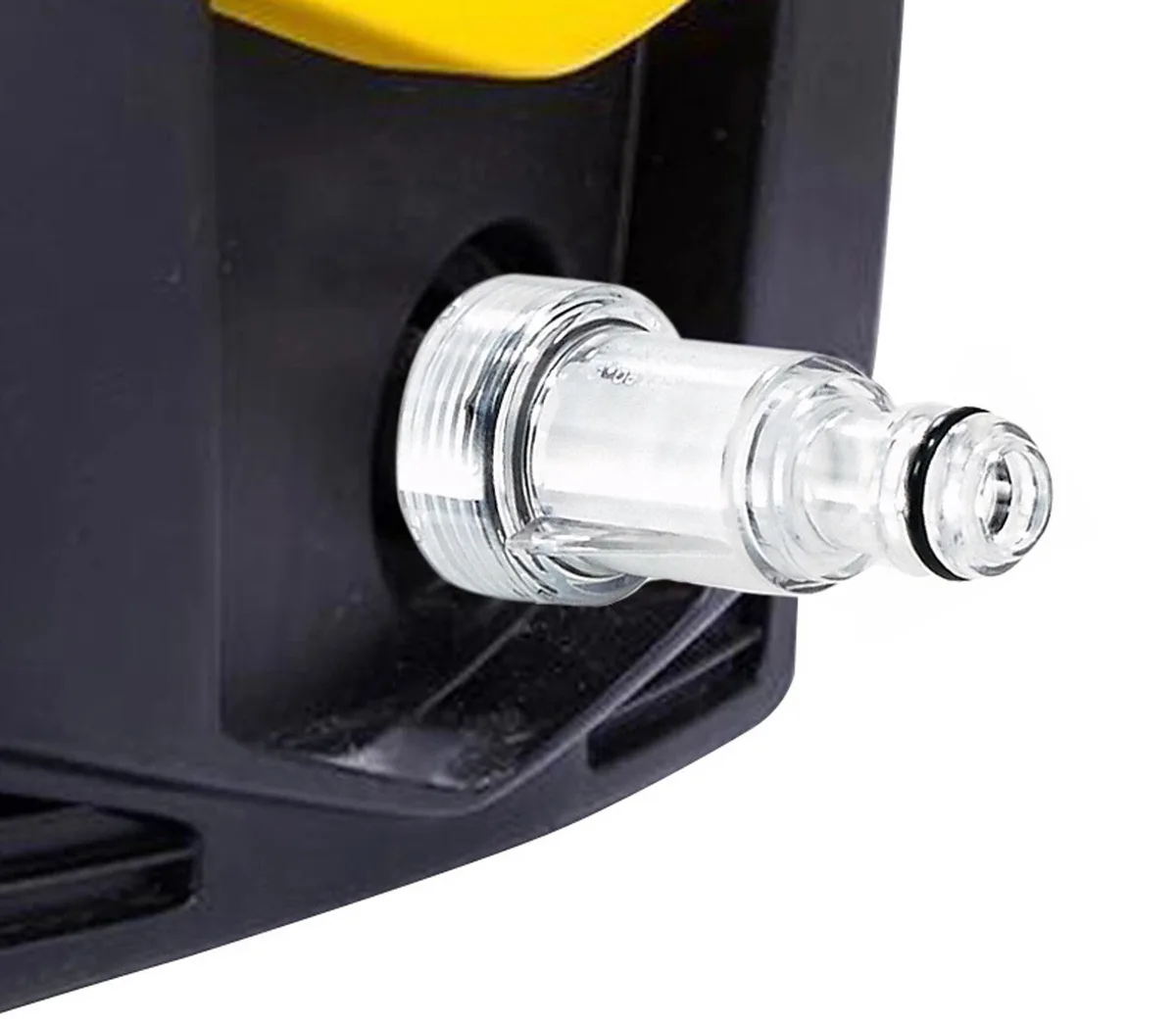
Image source: Bing (Web (fair-use with source credit))
Inspect the inlet filter
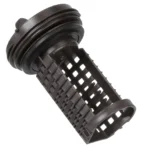
Every Nilfisk pressure washer has a small mesh filter inside the water inlet fitting. This catches debris from your garden hose. Over time it collects grit, bits of rubber washer, and sediment.
A clogged filter restricts water flow to the pump. The motor runs but the pump has nothing to push.
Unscrew the inlet fitting. You'll see a small cylindrical mesh screen. Pull it out with needle-nose pliers if it's stuck.
Rinse it under running water and scrub it gently with an old toothbrush. If the mesh is torn or corroded, replace it. Nilfisk inlet filters cost about £5 and are specific to your model.
Purge air from the system
Air inside the pump prevents the pistons from building pressure. This happens if you run the machine without water. It happens when you disconnect the hose while the machine is running.
It happens after winter storage.
With the water supply connected and turned on, remove the high-pressure nozzle from the lance. Take the nozzle completely off. Point the lance into a bucket or away from anything you don't want wet.
Squeeze the trigger and hold it. Water will sputter and spit. That's the air being pushed out.
Keep the trigger held until you get a steady solid stream. This usually takes ten to thirty seconds. Once the stream is smooth, release the trigger, reattach the nozzle, and test the pressure.
Never run the pump without water for more than a few seconds. Running dry damages the pump seals almost instantly.
Clean the nozzle
A partially clogged nozzle reduces pressure dramatically. The nozzle orifice is tiny, about the size of a pinhead. Hard water deposits or a single grain of sand can block it.
Use the nozzle cleaning tool that came with your machine. It's a small wire or pin stored on the back of the nozzle itself. Insert the wire into the nozzle opening and work it back and forth.
Rinse the nozzle under running water. If you can't find the cleaning tool, use a sewing needle. Don't use a drill bit or anything that will enlarge the hole.
Check the unloader valve
The unloader valve regulates pressure inside the pump. If it sticks open, water bypasses the nozzle and returns to the pump inlet. You get no pressure at the gun.
Locate the unloader valve. On Nilfisk machines it's a brass or plastic fitting on the pump head with a knob or screw adjustment. If pressure suddenly dropped while using the machine, the valve may have stuck.
Turn the knob slightly in either direction and test. If the valve has failed internally, you'll need a replacement unloader assembly. This runs around £20 to £35 depending on your model.
Pressure Surging, Cutting Out, or Leaking
These intermittent problems are frustrating because they come and go. You think you fixed it and it breaks again. Let's pin down each one.
Pressure surges up and down
You squeeze the trigger. The pressure builds, drops, builds, drops. It pulses rhythmically.
This usually means there's still air trapped in the system. Repeat the air purge procedure from the previous section. Hold the trigger for a full thirty seconds with the nozzle off.
If purging doesn't fix it, check your hose diameter. Nilfisk machines require a minimum 1/2-inch garden hose. A narrower hose restricts water flow and causes the pump to starve between cycles.
Also check that your garden hose isn't too long. More than 50 feet of hose reduces water pressure at the inlet.
The machine keeps cutting out
The motor runs for two to five minutes, then stops. You can restart it after fifteen minutes. This is the thermal cut-out switch doing its job.
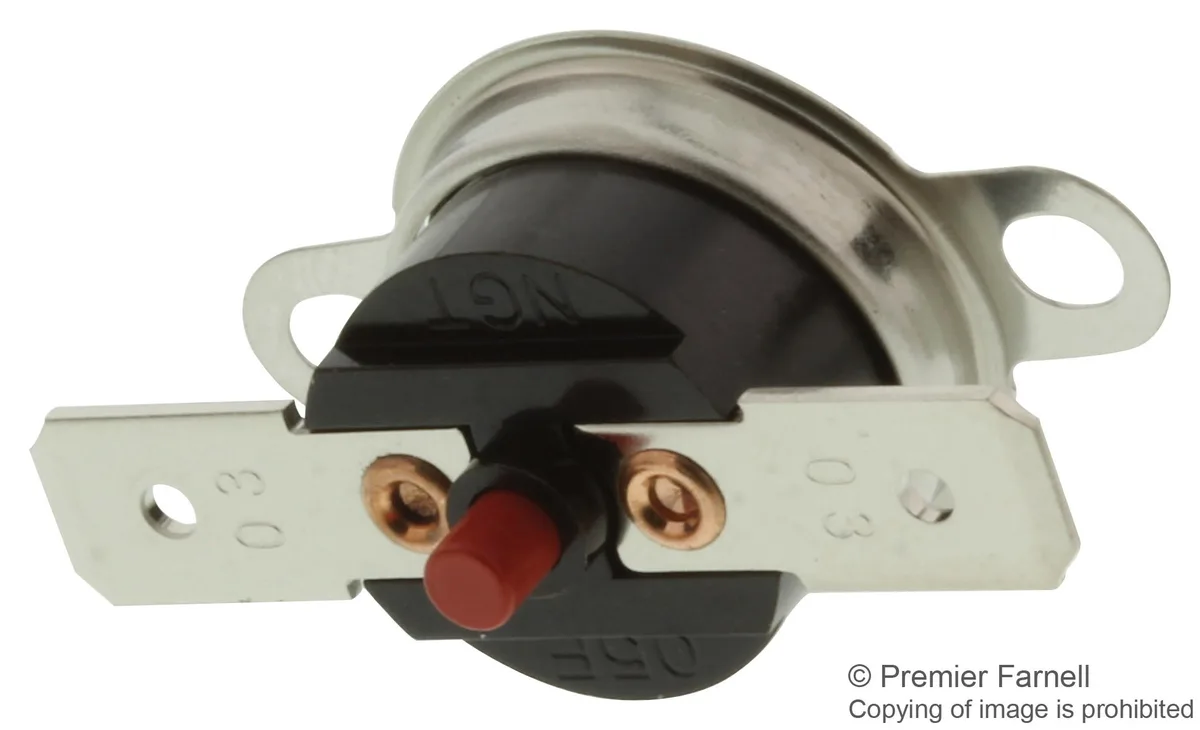
Image source: Bing (Web (fair-use with source credit))
The motor overheats when the pump is working too hard. This happens when the nozzle is too small for the machine, creating excessive back pressure. It happens when you use an extension lead that's too long or too thin.
It happens when you run the machine in direct sunlight on a hot day without giving it breaks.
Check your extension lead specification. Nilfisk recommends a minimum 2.5mm² core cross-section for runs longer than 10 metres. A thinner cable creates voltage drop, which forces the motor to draw more current and generate more heat.
If you're using a cheap extension lead from a DIY shop, that's likely your problem.
If the thermal cut-out trips repeatedly even with correct electrical supply, the pump may be wearing out. Worn pump bearings create friction that generates heat. This is a sign that a pump replacement is in your near future.
Water leaks from the bottom of the machine
Water pooling under the pressure washer usually comes from the pump head. The pump has several O-rings and seals that degrade over time. A pinhole leak can spread and worsen quickly.
Turn the machine off. Disconnect the water supply. Dry the pump area with a rag.
Reconnect the water supply and watch closely. Water will appear at the leaking seal. Common leak points are the inlet fitting O-ring, the unloader valve O-ring, and the pump head gasket.
O-ring kits for Nilfisk pumps cost around £10 to £20. They include all the common sizes. Replacing an O-ring takes about five minutes with a flathead screwdriver and some silicone grease.
Water leaks from the trigger gun
The trigger gun has O-rings where the lance connects and inside the trigger mechanism itself. If water drips from the connection point, remove the lance and check the O-ring on the lance fitting. If water leaks around the trigger, the internal gun seals have worn out.
A replacement trigger gun costs between £15 and £30. Given the low cost, it's usually easier to replace the whole gun than to rebuild the trigger assembly. Make sure you order the correct gun for your Nilfisk model.
The fittings differ between the Core series and the E series.
Common Mistakes That Make Things Worse
Knowing what not to do is as important as knowing what to fix. These mistakes cost people time and money.
Running the pump dry
This is the number one killer of pressure washer pumps. Running without water for even ten seconds can destroy the pump seals. The seals rely on water for both lubrication and cooling.
Without water, they overheat and harden in seconds.
Always confirm the water supply is on and flowing before starting the machine. Never start the motor without a hose connected. Never let the machine run with the trigger closed for more than a minute.
Using the wrong extension lead
A standard household extension lead with a 1.0mm² core is fine for a lamp. It is not fine for a 2100-watt pressure washer. The voltage drop causes the motor to overheat.
The motor draws more amperage to compensate. The thermal cut-out trips. And if you keep resetting it, you eventually burn out the motor windings.
Use a proper heavy-duty extension lead rated for outdoor use. Minimum 2.5mm² core. Keep the run as short as possible.
Forcing stuck fittings
Quick-connect fittings and hose couplers can jam if they're dirty or corroded. Spray them with silicone lubricant and let it soak. If they still won't move, use pliers wrapped in cloth to avoid scratching the fittings.
Never force a fitting. You can crack the plastic pump housing.
Ignoring winter storage
Freezing water expands and cracks the pump head. One freezing night can destroy a pressure washer permanently. After your last use of the season, run the machine until the water stops.
Disconnect all hoses. Press the trigger to release remaining water. Store the machine in a frost-free location.
If indoor storage isn't possible, run a pump antifreeze solution through the system. Nilfisk sells a specific pump preservative. You can also use RV antifreeze.
Never use automotive antifreeze. It's toxic and damages seals.
Letting the machine idle with the trigger closed
The pump builds pressure continuously when the trigger is released. The unloader valve diverts that pressure back to the inlet. But the pump is still working.
Running the machine for more than a minute or two without spraying generates heat and puts unnecessary wear on the pump.
If you're taking a break, turn the machine off. It takes two seconds to restart. It saves hours of pump life.
Pro Tips for Diagnosing Before You Fix
These techniques save you from buying parts you don't need. They also help you confirm the actual problem before you pull out tools.
Test the capacitor with a multimeter
If your motor hums but won't start, the capacitor is the easiest and cheapest thing to check. Set your multimeter to capacitance mode. Disconnect the capacitor from the motor.
Touch the probes to the capacitor terminals. A healthy reading should match the value printed on the capacitor side, usually 30 to 50 microfarads. A reading of zero or near zero means the capacitor is dead.
Check pump seals without disassembly
You don't need to pull the pump apart to check for seal wear. Run the machine for thirty seconds with the water on. Turn it off and look at the oil in the pump housing.
If the oil looks milky or white, water has entered the pump chamber. That means the seals are failing and need replacement.
Tell if the unloader valve needs adjustment or replacement
If pressure dropped suddenly but the nozzle is clean and the inlet filter is clear, the unloader valve is the likely culprit. Turn the adjustment knob a quarter turn clockwise and test. If pressure improves but still surges, the valve needs internal cleaning.
If turning the knob has no effect at all, the valve is seized and needs replacement.
Listen to the pump
A healthy pump makes a consistent steady sound. A pump with worn bearings makes a grinding or rattling noise. A pump with a stuck valve makes a clicking sound on every stroke.
Learn the sound of your machine when it's working properly. You'll hear problems before they become failures.
Quick Decision Guide
Use this simple chart to decide what to do next.
Machine completely dead. Check socket, fuse, thermal cut-out. If all are fine, replace capacitor. If it still won't start, the motor windings may be burnt.
That's a new machine.
Motor hums, won't turn. Test the capacitor. If it's good, the pump is seized. Replace the pump head or buy a new machine.
Compare costs. A replacement pump is often 60 percent of a new machine price.
Motor runs, no pressure. Check water supply, inlet filter, and nozzle in that order. Purge air from the system. If none of these work, check the unloader valve.
Pressure surges. Purge air again. Check hose diameter and length. If surging continues, the unloader valve needs adjustment or replacement.
Machine cuts out after a few minutes. Check your extension lead. Give the machine breaks. If it keeps tripping, the pump bearings are wearing out.
Water leaking from bottom. Replace the leaking O-ring or pump seal. O-ring kits are cheap. Start there.
Water leaking from trigger gun. Replace the trigger gun. It's faster and often cheaper than rebuilding it.
When to replace instead of repair
Some repairs aren't worth doing. If the pump is seized and the machine is more than five years old, a new pressure washer often makes more financial sense. If the motor windings are burnt, the cost of a replacement motor plus labour exceeds the price of a new machine.
If the pump head is cracked from freezing, the repair cost approaches a new unit.
Use this rule of thumb. If the repair costs more than half the price of a new equivalent machine, replace the whole unit. If the repair costs less than half, fix it.
Frequently Asked Questions
How long do Nilfisk pressure washer pumps typically last?
With proper maintenance, 100 to 300 hours of actual use. Home users who winterize and clean the inlet filter regularly get closer to 300 hours. Users who run the pump dry or skip winter storage get much less.
Does the thermal cut-out mean the motor is dead?
No. The thermal cut-out is a safety feature that protects the motor from overheating. It resets automatically after cooling down.
If it trips repeatedly, fix the underlying cause. Don't ignore it.
Can I use a pressure washer with a long extension lead?
Yes, but it must be heavy-duty. Use a lead with a 2.5mm² core for runs over 10 metres. Thinner leads cause voltage drop, overheating, and thermal cut-out tripping.
How do I store my Nilfisk for winter?
Drain all water from the system. Disconnect hoses. Press the trigger to release remaining water.
Run pump antifreeze through the system if storing in an unheated space. Store indoors if possible.
Why won't my detergent draw?
The detergent system needs a high-pressure nozzle to create suction. Make sure you're using the correct black detergent nozzle. Check that the detergent tube isn't clogged or kinked.
Clean the inlet filter first.
Is it worth repairing an old Nilfisk pressure washer?
It depends on the repair cost and the machine age. If the pump is seized and the machine is over five years old, replacement is usually cheaper. If the fix is a £10 O-ring or a £15 capacitor, repair it regardless of age.

Similar Posts